
Ugh, doesn’t the five o’clock scramble just kill you sometimes? You stare into the fridge, knowing you need something healthy, something that tastes like you spent hours on it, but the clock is screaming at you. I totally get that pressure! That’s why I’m obsessed with mastering quick Asian-inspired meals. They feel fancy, right? But they’re secretly lightning fast. This Salmon Stir Fry is my absolute weeknight savior. Honestly, you get perfectly flaky salmon chunks and vibrant veggies swimming in the most addictive savory sauce, and we are done—start to finish—in under 30 minutes. Seriously, that’s the best kind of magic a home cook can ask for!
Why This Salmon Stir Fry Recipe Works So Well
Look, when I’m running on fumes after work, I need reliable weeknight wins, and this recipe is triple threat solid. It hits all the right notes without making me do dishes until midnight. It’s foolproof, which is why I trust it even when I’m half-asleep!
- It’s genuinely fast. We’re talking prep time shy of 15 minutes and actual cooking under 10. That’s faster than takeout, I promise!
- The flavor payoff is huge compared to the effort you put in. That sauce just sings.
- Clean up is easy because it’s all happening in one great big pan or wok. The less I scrub, the happier I am!
Quick Prep and Cook Times for Your Salmon Stir Fry
I know, I know, everyone says they’re quick, but this one really is. You spend about 15 minutes chopping and tossing the marinade ingredients, and then the heat goes on and you’re sitting down to eat in 10 minutes flat. It’s perfect when you’ve totally forgotten to plan dinner. If you want to get even faster at prep work for meals like this, check out some of my general baking tips—they actually apply to knife skills too! You can read about my thoughts on becoming a better kitchen pro here: baking tips to make you a better baker.
Achieving Perfect Flavor in Your Salmon Stir Fry Sauce
This is where the expertise comes in. It’s that perfect dance between salty soy, nutty sesame, and whatever savory stir-fry sauce base you picked. But the real secret weapon? That little cornstarch slurry you mix up at the end. You pour it in, give it a quick whisk, and BAM—the sauce goes from watery to glossy and clings perfectly to every piece of salmon and vegetable. It’s the easiest way to level up a homemade sauce instantly.
Essential Ingredients for Your Salmon Stir Fry
When you’re working this fast, you can’t afford substitutions that deflate the flavor, so stick to these core components for the best Salmon Stir Fry experience. We need sturdy stuff that can handle a high-heat toss without falling apart. For the salmon, please grab a nice, skinless, boneless fillet—about a pound should do it. You want to cut that into nice, bite-sized 1-inch pieces so they cook evenly.
Then you’ve got your flavor foundations. Trust me on the prep work here: one tablespoon of soy sauce and one tiny drizzle of sesame oil for the marinade. For the veggies, I went with broccoli florets and sliced carrots, plus a bright pop of red bell pepper for color. Don’t forget the aromatics; two cloves of minced garlic and some fresh grated ginger are absolutely non-negotiable for that authentic Asian backbone. You could use a store-bought stir-fry sauce—about a quarter cup is perfect—or just use more soy sauce if you’re out. And finally, that crucial slurry: just a tablespoon of cornstarch mixed with two tablespoons of cold water. I know that sounds like it belongs in a baking recipe, much like some dairy swaps I’ve talked about here: make buttermilk substitutions, but trust me, it’s the magic binder!
Step-by-Step Instructions for the Best Salmon Stir Fry
Alright, roll up your sleeves because this part moves fast! The key to a great stir fry is having everything ready *before* the pan gets hot. We don’t want our garlic burning because we were still cutting broccoli, right? Grab your biggest skillet or wok—we need space to toss everything without it steaming.
Marinating and Searing the Salmon for Your Salmon Stir Fry
First things first, we need to get some flavor into that fish. Toss your 1-inch salmon pieces with that tablespoon of soy sauce and the single teaspoon of sesame oil. Just coat them gently and let them hang out for five minutes while you heat up your skillet. Get your vegetable oil screaming hot over medium-high heat—we want a good sear! Add the salmon in a single layer (don’t crowd the pan, or it will steam!) and sear it until it gets nice and brown on all sides, which usually takes about three or four minutes. As soon as it’s sealed and almost cooked through, pull it out and set it aside. It’ll finish cooking later, I promise!

Cooking Vegetables and Finishing the Salmon Stir Fry
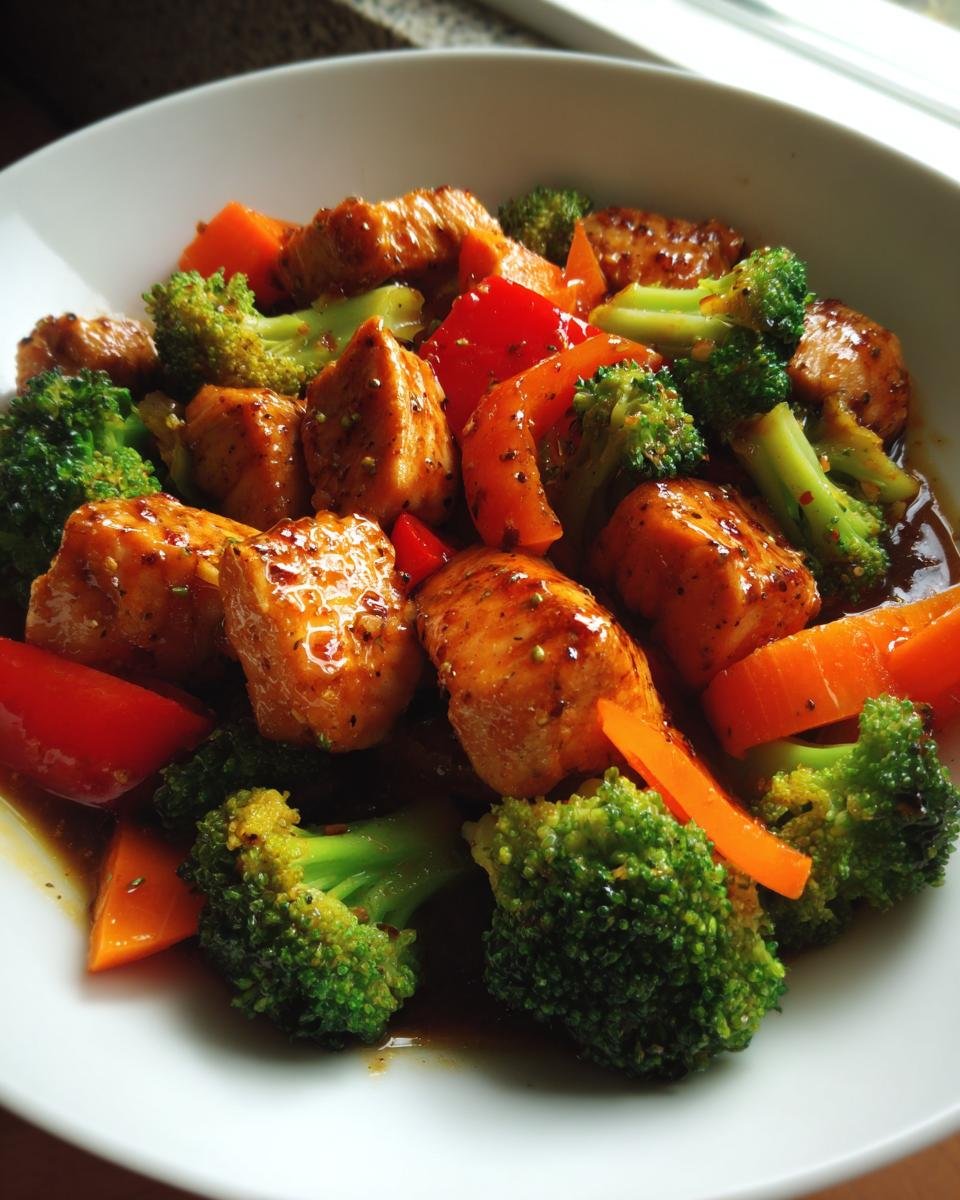
Now for the veggies—this is where layering matters. Toss those denser guys, the broccoli and carrots, into the hot pan. Give them a good three-minute throw around until they start getting tender-crisp. Then, toss in your sliced red pepper along with that minced garlic and grated ginger. Stir that aggressively for just one more minute until you can really smell those aromatics kick in. Don’t let the garlic burn! Now, bring that gorgeous, seared salmon back into the pan, pour over your stir-fry sauce, and give it a quick swirl. Remember that slurry you prepared? Whisk it one last time just in case the cornstarch settled, pour it into the middle of the sizzling mixture, and stir constantly. You’ll see it thicken up into a beautiful glaze in about 60 seconds! It’s so satisfying. If you’re interested in a similar speed technique for root vegetables in another appliance, you can see how I tackle air fryer garlic herb yucca fries, which is fantastic for prep.
Tips for Success When Making Salmon Stir Fry
Listen, even though this is a super quick dinner, there are a few tiny pitfalls that can make it go from “amazing” to “just okay.” I learned these the hard way, of course, usually involving burnt garlic or a sauce that looked sadder than expected. So here are my top three things you absolutely must remember when you’re making this!
My number one rule for any stir fry, salmon or otherwise, is heat control: You have to use high heat! If your pan isn’t hot enough when you add the oil, the salmon starts to steam instead of getting that beautiful, crispy sear. Remember how I talked about high heat for searing earlier? It saves the texture! I really recommend sticking to that; it’s the difference between flaky fish and mushy fish. If you want to check out some other general kitchen wisdom that applies to avoiding over-cooking, I have some thoughts on improving your baking instincts that might help with timing here: baking tips to make you a better baker.
Secondly, don’t overcrowd the pan when you cook the salmon! If you dump all the pieces in at once and stack them up, the temperature drops immediately. You want a single layer so the moisture evaporates quickly letting the searing happen. Take it out, set it aside, and cook your veggies! It might feel like an extra step, but that two minutes you spend pulling the fish out saves you from soggy seafood drama later.
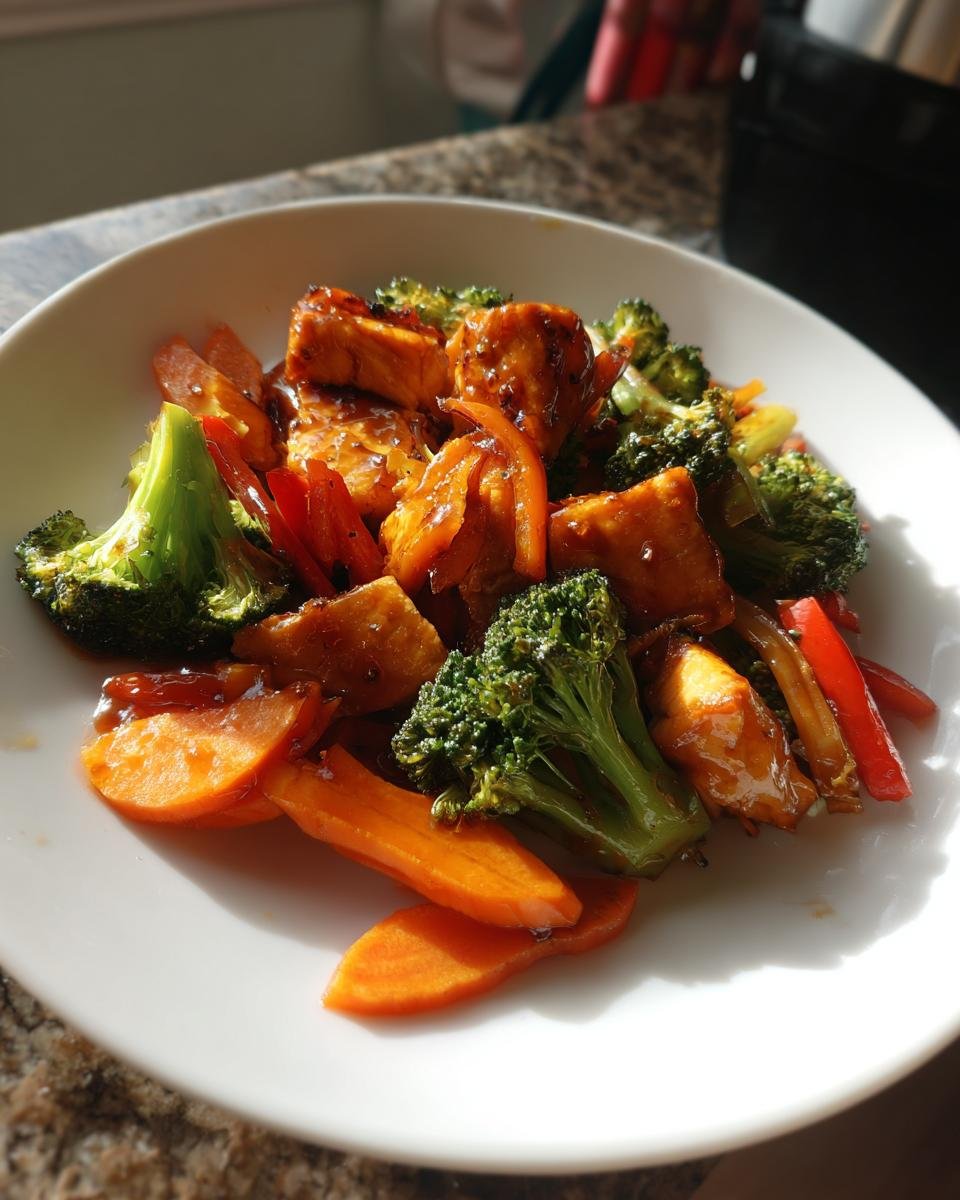
Finally, I can’t stress enough about the slurry. You have to stir that cornstarch and water mixture just before you add it! Cornstarch settles to the bottom faster than you can blink. If you don’t stir it again, you’ll dump a thick, goopy lump of pure starch right into the middle of your beautiful sauce. Just a quick whisk ensures you get that perfect, glossy coating that makes the whole dish look professionally finished.
Oh, and if you’re feeling bold and want a little kick? Totally feel free to add a pinch of red pepper flakes right alongside that garlic and ginger when you’re cooking the veggies. It gives the savory sauce a nice little warmth that I just love!
Ingredient Notes and Substitutions for Your Salmon Stir Fry
I always get questions about swapping ingredients, especially when people think they don’t have exactly what’s listed. The beauty of a great vegetable stir fry, even one starring salmon, is its flexibility! The recipe calls for broccoli, carrots, and red pepper, which are my go-tos because they are firm and hold up beautifully to that high-heat tossing. But please, feel free to mix it up!
If you have snow peas lying around, throw them in! They add such a great crisp snap. Or maybe you have some nice, fresh mushrooms—sliced mushrooms absorb the sauce wonderfully and add a meaty depth that I really enjoy. Just make sure whatever you choose is relatively firm. If you use something super watery, like zucchini, it might release too much liquid into your pan and lower the temperature, which is the absolute enemy of a good sear.
Now, let’s talk about the star: salmon. Why does salmon work so perfectly for this speedy dinner? It’s all about the fat content and the texture. Unlike chicken breast, which can dry out if you overcook it by even 30 seconds in a wok, salmon is rich in those healthy fats. This means it stays moist and tender even when you’re searing it hot and fast, and it still tastes amazing when you bring it back into the sauce near the end. That natural richness means we don’t need a heavy marinade, which keeps our prep time way down!
Serving Suggestions for Your Salmon Stir Fry
Now that you’ve got this gorgeous, glossy Salmon Stir Fry hanging beautifully in your wok, the question is: what do we serve it on? This dish is bursting with savory sauce, which means you *absolutely* need a sturdy base to soak up every single drop! For me, there’s no debate here, you need plain, perfectly cooked rice. White rice is classic because it’s a clean canvas, but I sometimes lean toward brown rice if I’m feeling slightly healthier that day.
Because the stir fry itself is so rich and savory with the sauce and the richness of the salmon, when I’m planning sides, I always go for something light, cool, and crunchy to cut through that intensity. It just balances the whole plate out so nicely and makes the meal feel less heavy during the week.
My go-to addition is either super-simple steamed edamame sprinkled with just a tiny bit of sea salt—they warm up quickly while you’re finishing the sauce. Or, if I have an extra five minutes, I’ll whip up my favorite Smashed Cucumber Salad. Seriously, if you haven’t tried it, you are missing out! It uses vinegar, garlic, and a little bit of heat to create a refreshingly tangy counterpoint to the sweet and savory stir fry sauce. It’s ridiculously easy to make, and you can follow my foolproof method here: the ultimate smashed cucumber salad. Trust me, a side of that cool crunch next to the hot salmon makes this meal feel like something you ordered out!
Storage and Reheating Instructions for Leftover Salmon Stir Fry
You know, sometimes I cook a little too much just so I have something easy for lunch the next day! Leftovers can be tricky with stir fries, especially if you’ve got that perfect glaze, but we can totally save this Salmon Stir Fry without turning it into sad, soggy mush.
First rule of storage: cooling it down quickly is important. Don’t leave it sitting on the counter forever waiting for it to cool. You want to transfer those leftovers into an airtight container as soon as they are just warm—not piping hot, but definitely not cold yet. I usually divide mine into smaller portions right away, which makes grabbing lunch easier later.
When storing, keep the rice separate from the stir fry if you can. Rice holds moisture differently than the sauced salmon and veggies, and keeping them apart prevents the whole container from becoming gummy overnight. Also, try to get the sauce distributed evenly. You don’t want a big pool of sauce sitting only on the salmon; you want the veggies and fish coated.
How long can I safely keep this Salmon Stir Fry in the fridge?
Because we’re dealing with cooked fish and cooked rice, we need to be mindful of food safety here. I always recommend eating this within three days, absolute max. Four days is pushing it for my comfort level with leftovers, especially fish. If you know you won’t get to it by day three, you might want to freeze a portion right away! Just make sure it’s in a freezer-safe container, leave a little space at the top for expansion, and it should keep beautifully for about a month.
Reheating Tips to Keep Your Salmon Stir Fry Tasting Fresh
This is the most important part! While the microwave is tempting when you’re in a rush, it tends to blast moisture out of cooked fish and turns the salmon a little bit rubbery. I really, truly suggest avoiding it if you can!
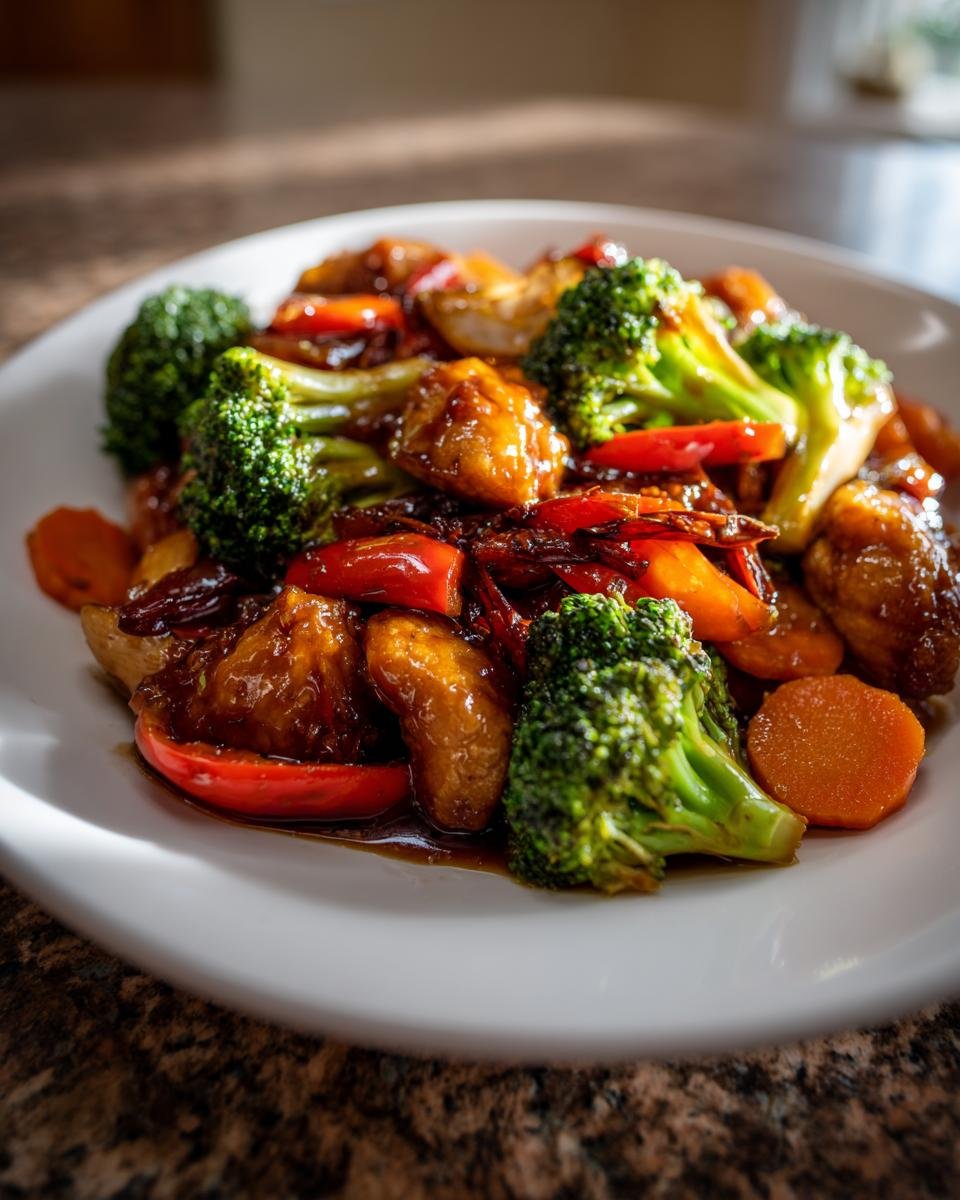
The best way to bring this back to life is right back in a skillet or a wok on the stovetop. Heat just a tiny splash—maybe half a teaspoon—of vegetable oil or even just a tablespoon of water on medium heat. Add your leftover stir fry mixture (rice separate, remember?). Cover the pan for just a minute or two to let the steam gently warm the food through without cooking it further. This keeps the vegetables crisp and the salmon tender. If the sauce seems a little too thick after cooling, just stir in a teaspoon of water or broth while it heats up to loosen it back to that perfect glaze consistency we worked so hard to create!
Frequently Asked Questions About Making Salmon Stir Fry
I always get so many great questions after people try this recipe for the first time, which shows me you’re all out there trying to nail that perfect quick dinner! It’s completely normal to have a few kinks to iron out when you’re working with high heat and fast timings. Here are some of the things I hear most often when folks are putting together their very first Salmon Stir Fry batch.
If you’re ever curious about making big batches or swapping proteins, I have a whole guide on making chicken stirfry quickly, which uses similar timing principles you can look at here: delicious chicken stir fry with veggies in 30 minutes. Timing is everything in this style of cooking!
Can I use frozen salmon in this Salmon Stir Fry?
Oh, yes, you absolutely can, especially if you need this to be a true emergency weeknight meal! But here’s the essential step: you must thaw it correctly. Please don’t try to stir fry it while it’s still icy! The best way is to move the frozen fillet into the fridge the night before. If you forget, you can use the cold water method—place the sealed salmon in a bowl under cold running tap water until it’s pliable. Once it’s totally thawed, pat it super dry before you toss it in the soy sauce marinade. That dryness is key to getting any kind of sear!
What vegetables work best in a quick Salmon Stir Fry?
The golden rule here is firmness because everything cooks so fast! You want vegetables that are going to stand up to the high heat of the wok and be tender-crisp after just a few minutes. Things like broccoli, carrots, bell peppers, and snap peas are fantastic choices. They cook fast but don’t turn to mush. Honestly, if you choose watery vegetables like fresh spinach or very soft mushrooms, they’ll release all their liquid and steam your salmon instead of searing it. Stick to the sturdy crew for the best results!
Estimated Nutritional Data for This Salmon Stir Fry
Okay, let’s talk numbers for a minute. I know some of you are counting macros or just curious about what goes into that amazing meal. Since this recipe is fairly low in fat compared to some other dinners (thanks to the salmon being the main star!), it’s a really solid choice for a quick, balanced meal. I always recommend checking your own sauces and rice measurements, because those make the biggest difference!
These figures below are based on the exact measurements listed in the recipe, coming out to two servings total. So remember, this data is for one serving only, not the whole pan!
- Serving Size: 1 serving
- Calories: About 450 per plate—pretty good for a full dinner!
- Protein: A hearty 38 grams—that salmon really packs a punch.
- Total Fat: Around 20 grams. We get a good amount of unsaturated fat in there, which is great.
- Carbohydrates: Roughly 35 grams, mostly coming from the sauce and the rice you serve it over.
- Sodium: This comes in around 650mg, which is higher because of the soy sauce, so be mindful if you are watching salt intake!
This is just a guideline, of course. If you swap out regular soy sauce for low-sodium soy sauce, that sodium number drops right down. It’s all about making smart swaps that work for you!
Print
Simple Salmon Stir Fry
- Total Time: 25 min
- Yield: 2 servings 1x
- Diet: Low Fat
Description
A quick and easy recipe for salmon pieces cooked with mixed vegetables in a savory sauce.
Ingredients
- 1 lb salmon fillet, cut into 1-inch pieces
- 1 tablespoon soy sauce
- 1 teaspoon sesame oil
- 1 tablespoon vegetable oil
- 1 cup broccoli florets
- 1 cup sliced carrots
- 1 red bell pepper, sliced
- 2 cloves garlic, minced
- 1 teaspoon grated ginger
- 1/4 cup stir-fry sauce (e.g., teriyaki or soy-based)
- 1 tablespoon cornstarch mixed with 2 tablespoons cold water (slurry)
- Cooked rice, for serving
Instructions
- In a bowl, toss the salmon pieces with soy sauce and sesame oil. Set aside for 5 minutes.
- Heat the vegetable oil in a large skillet or wok over medium-high heat.
- Add the salmon and cook until browned on all sides, about 3-4 minutes. Remove the salmon from the skillet and set aside.
- Add the broccoli and carrots to the skillet. Stir fry for 3 minutes until slightly tender.
- Add the bell pepper, garlic, and ginger. Stir fry for 1 minute more.
- Return the salmon to the skillet. Pour in the stir-fry sauce.
- Stir the cornstarch slurry again and pour it into the skillet. Cook, stirring constantly, until the sauce thickens, about 1 minute.
- Serve immediately over cooked rice.
Notes
- You can substitute other firm vegetables like snow peas or mushrooms.
- For a spicier flavor, add a pinch of red pepper flakes with the garlic and ginger.
- Prep Time: 15 min
- Cook Time: 10 min
- Category: Dinner
- Method: Stir Frying
- Cuisine: Asian
Nutrition
- Serving Size: 1 serving
- Calories: 450
- Sugar: 12
- Sodium: 650
- Fat: 20
- Saturated Fat: 3
- Unsaturated Fat: 17
- Trans Fat: 0
- Carbohydrates: 35
- Fiber: 5
- Protein: 38
- Cholesterol: 95
Keywords: Salmon Stir Fry, quick dinner, easy salmon recipe, vegetable stir fry, Asian salmon