
When the weather turns chilly, who doesn’t crave something truly hearty and comforting? Forget fancy sauces or complicated techniques; sometimes you just need food that hugs you from the inside out. That’s what led me down the path to mastering these amazing German Cabbage Dumplings, or Krautkloesse, as my Oma called them. They are such a satisfying, traditional side dish, made simply with cooked cabbage and fluffy mashed potatoes.
My first batch was… well, let’s just say they were a little lumpy and fell apart in the water. Yikes! But after some trial and error (mostly trial, honestly!), I figured out the secret balance between the starch and the binder. Trust me when I say these pan-fried delights are worth the small effort. They’re rustic, flavorful, and instantly transport you straight to a cozy German kitchen.

Why You Will Love These German Cabbage Dumplings
I know what you’re thinking—dumplings sound intimidating, right? Believe me, when I started making these, I thought the same thing. But these German Cabbage Dumplings are deceptively easy, and that’s why I love them so much!
- They Are Shockingly Quick: Seriously, from the time you start mixing to the time they hit the skillet, it takes less than 25 minutes of active cooking. Perfect for a weeknight side!
- The Potato Base is Genius: Since they rely on cooked potato instead of pure flour, the texture inside is tender and almost melting. You get that wonderful density without them being heavy.
- Customizable Flavor Profile: You can keep it traditional with cooked cabbage, or sneak in that tangy sauerkraut note if you want a real German kick. I love having options!
- The Double-Cook Method: Boiling them first ensures they are cooked through, and then frying them in butter with sweet onions gives them that irresistible, crispy, golden-brown crust. It’s worth the extra step, I promise!
- They Hold Up Well: Unlike some delicate items, these dumplings reheat beautifully, which means less stress when you’re prepping for a big meal.
They’ve quickly become the side dish everyone asks for, and now you can see why!
Essential Ingredients for Authentic German Cabbage Dumplings
Okay, so the beauty of German Cabbage Dumplings is that they rely on pantry staples, which is just fantastic when you need a quick side dish. I tried using leftover raw potatoes once, thinking I could save time—big mistake! You absolutely must use potatoes that are already cooked and mashed smooth. That fluffiness is the key to your dumpling dough holding together.
Here is exactly what you need gathered before you start mixing. My emphasis is always on proper texture, so don’t skimp on the mash!
- 1 lb potatoes, peeled and cooked (must be fully mashed!)
- 1 cup cooked, finely chopped cabbage
- 1/2 cup all-purpose flour
- 1 egg (Don’t worry if you need a dairy substitution here; my friend wrote a great piece on making buttermilk substitutes if you ever run out of milk, though for this recipe, just stick to the egg!)
- 1/4 teaspoon salt
- Pinch of black pepper
For serving, don’t forget the flavor boosters—we need the fat and the aromatics for that perfect finish!
- 2 tablespoons butter for frying
- 1 medium onion, finely chopped
Step-by-Step Instructions for Perfect German Cabbage Dumplings
Getting these German Cabbage Dumplings right is all about the texture of the dough and a gentle hand during cooking. I learned the hard way that you can’t just toss everything in and hope for the best! These steps will walk you through getting that perfect, slightly dense interior and the crispy, buttery crust that makes Krautkloesse so amazing.
Follow these steps, and you’ll see why my first attempts were such a flop—it’s all in the sequence!
- Mash the cooked potatoes until they are completely smooth. There should be zero lumps, seriously.
- In a separate bowl, gently combine the mashed potatoes, that finely chopped cabbage, the flour, your egg, salt, and pepper.
Preparing the Dough for Your German Cabbage Dumplings
This is where you need to be mindful, trust me! When you combine all those lovely starches and binders, you’re creating gluten, and we don’t want too much of that here. Mix everything just until a dough forms. As soon as that flour disappears, stop mixing! Overmixing these potato dumplings turns them tough, and we want them soft and yielding. Once it comes together, you’re ready to shape them.
Shape the dough into small, oval dumplings, maybe about 1.5 inches long. Don’t make them too big, or they take forever to cook through in the center.
- Bring that large pot of salted water just to a gentle, rolling boil—not a furious, aggressive boil; we don’t want our dumplings breaking apart when we drop them in!
- Carefully drop the shaped dumplings into the water. Cook them only until they float to the surface, which usually takes about 8 to 10 minutes. Scooping them out immediately when they float is key.
Cooking and Browning the German Cabbage Dumplings
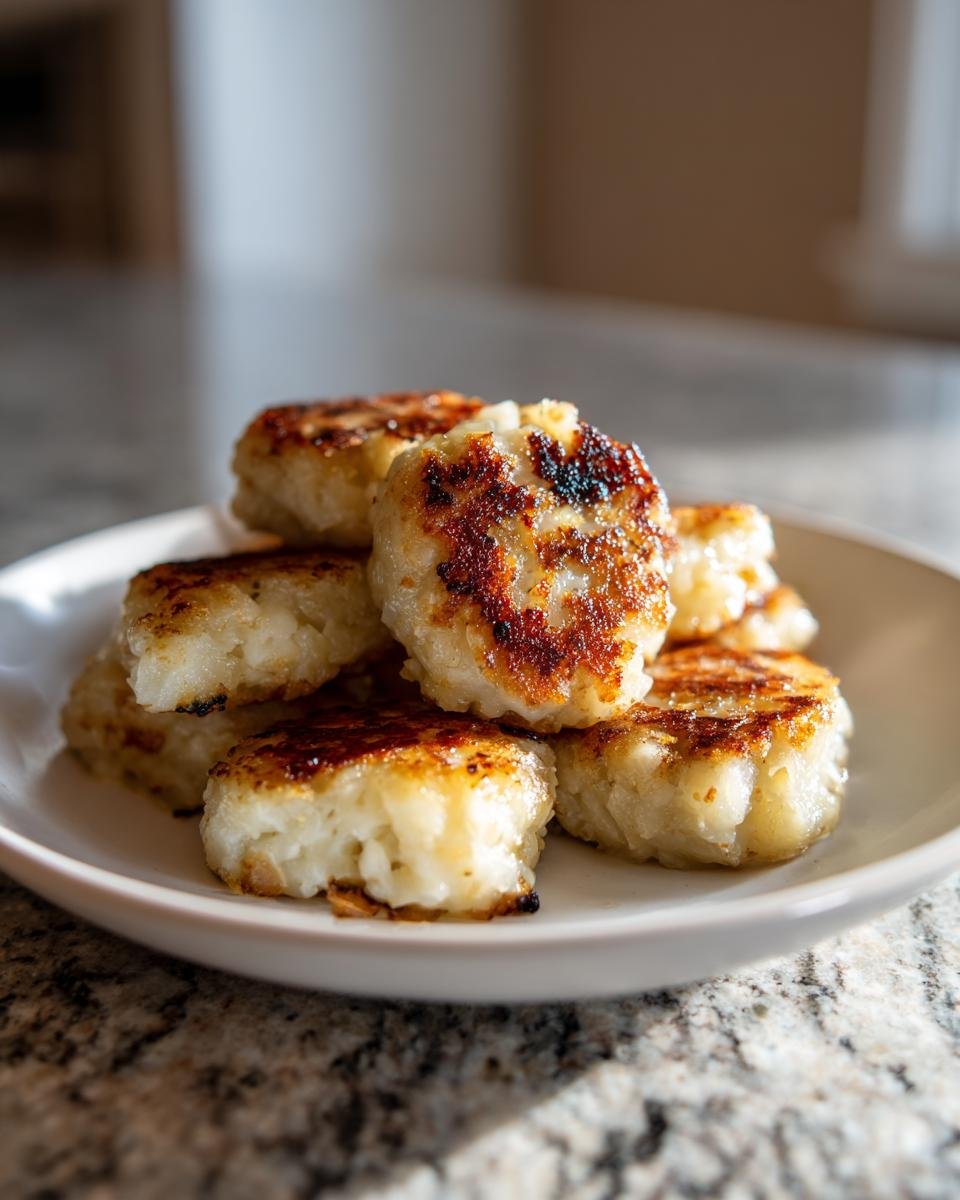
The boiling part cooks them through, but the frying part? That’s where the real flavor explosion happens! In a skillet, melt your butter over medium heat. You want it hot enough to sizzle but not so hot that it burns instantly. Add your finely chopped onion and cook it down until it gets soft and just starts to turn light brown—that sweet, caramelized onion flavor is non-negotiable!
Next, add those drained dumplings right into the skillet with the onions and butter. Let them hang out there for a few minutes, turning them gently with a spatula until they develop a lovely, light golden-brown crust on all sides. This final step really seals in the flavor. Serve these beauties right away while they are piping hot!
If you are looking for more general pointers on technique—like how to measure flour correctly—check out my baking tips post; some of those principles definitely apply here!
Tips for Success When Making German Cabbage Dumplings
Even though this recipe for German Cabbage Dumplings seems straightforward, those little details are what move your batch from “okay” to “make this every Sunday” status. I’ve learned these tricks through trial and, let’s be honest, a few embarrassing mushy dumpling moments. Here are the must-knows for perfect Krautkloesse every time.
First up, let’s talk cabbage substitution. The recipe calls for cooked fresh cabbage, which lends a very mild, sweet flavor. If you want that authentic, slightly pucker-y, tangy kick that really screams “German comfort food,” you absolutely must try swapping that cup of cooked greens for well-drained sauerkraut. Make sure you squeeze every drop of liquid out of the sauerkraut first, though! Excess moisture is the enemy of a good dumpling dough.
Secondly, remember what I said about mixing? Do not overdo it! Once the flour is incorporated and you have a manageable dough, that’s the stop sign. Seriously, stop stirring. Over-developed gluten equals dense, rubbery dumplings, and we are aiming for soft pillows simmered in butter water!
My third pro-tip involves the boiling water. You should aim for a very gentle simmer once the dumplings are in. If the water is boiling too hard, the agitation will cause the delicate potato structure to break apart before it has a chance to set its exterior. Let them float peacefully to the top—that’s their signal that they are done cooking internally.
Finally, if you plan to make these ahead of time, you can form them, place them on a baking sheet lined with parchment paper, and freeze them solid. Once they are rock hard, transfer them to a freezer bag. When you’re ready to cook, just drop the frozen dumplings straight into the boiling water. No thawing necessary! Isn’t that handy?
Serving Suggestions for Your German Cabbage Dumplings
So, you’ve got these gorgeous, buttery, savory German Cabbage Dumplings fresh out of the skillet. Now what? They are hearty enough to stand on their own, but honestly, they shine best when paired with something rich to soak up all that oniony butter!
Traditionally, Germans serve Krautkloesse with a thick, hearty mushroom gravy or perhaps alongside some lightly smoked pork loin. If you’re keeping things vegetarian, they are fantastic with applesauce on the side—that sweet-and-savory combination is incredible.
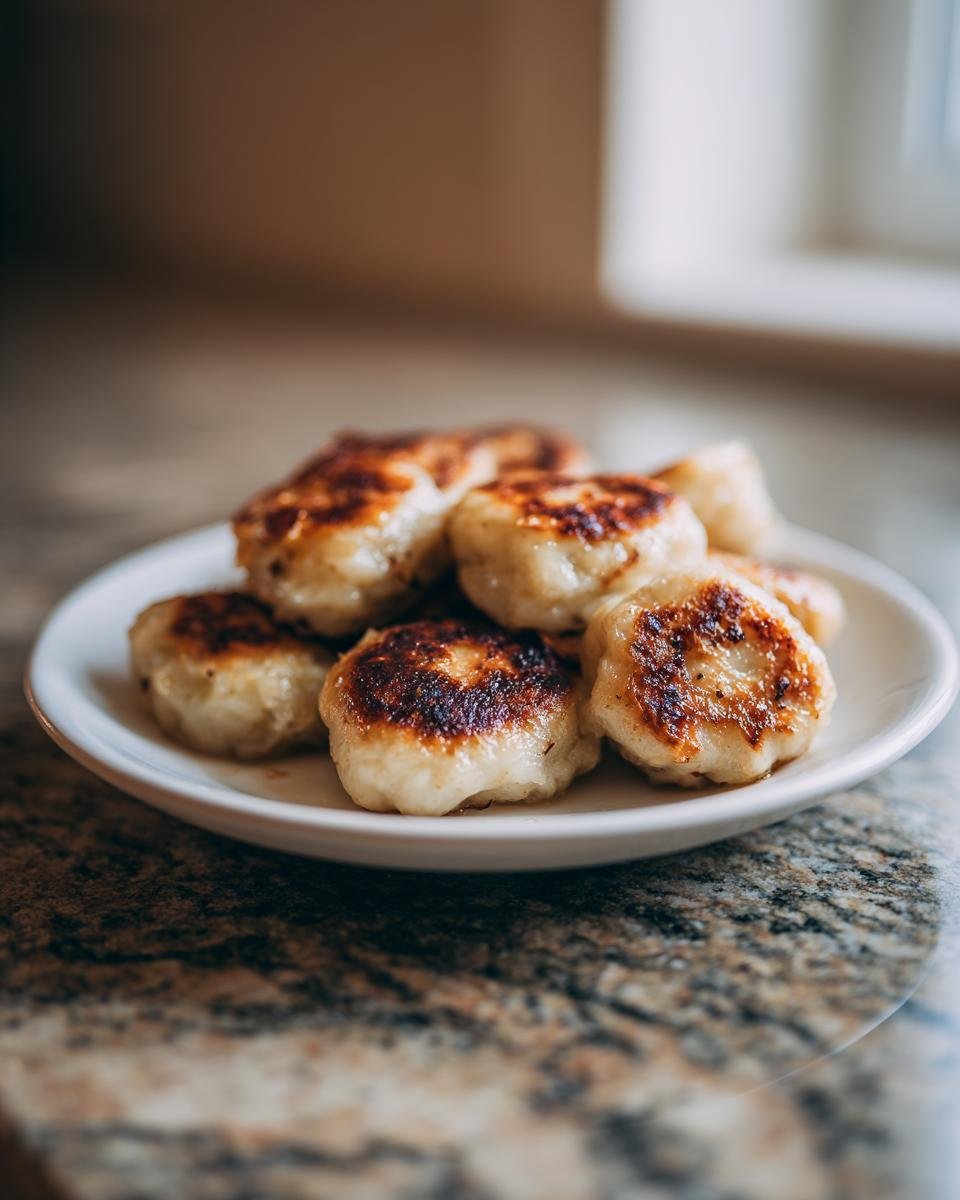
If you want a little freshness to cut through the richness, try pairing them with a simple bright side dish. I often whip up a quick herb and tomato salad to balance out the meal. Either way, don’t let them sit around too long; grab a fork!
Storage and Reheating Instructions for Leftover German Cabbage Dumplings
One of the best things about these hearty German Cabbage Dumplings is that they are wonderful leftovers! Unlike super delicate pasta, these potato-based dumplings actually hold their shape really well. If you’re anything like me, you always end up with a few extras, and I hate seeing good food go to waste.
When it comes to storage, you have two main options, depending on how soon you plan to eat them next. If you just boiled them, let them cool down completely on a plate first—don’t just seal them up hot, or you’ll end up with a soggy mess in the fridge!
Once cooled, pop those boiled dumplings into an airtight container. They should keep perfectly fine in the refrigerator for about three to four days. Remember that note about preparing them ahead of time? You can actually make the raw, unboiled dumplings, shape them, lay them out on parchment paper on a baking sheet, and freeze them solid. Once frozen, transfer them to a heavy-duty freezer bag. They will last for several weeks this way!
Now, reheating is critical. Please, please ditch the microwave if you can, unless you are in a massive rush. Microwaving potato items tends to make them strange and rubbery. The absolute best way to bring these back to life is to recreate that lovely crust we worked so hard to achieve!
Just melt a pat of butter (or a little oil) in your skillet over medium heat. Toss in your cooled, leftover dumplings—or even throw in a few slices of fresh onion if you have one handy—and pan-fry them for about 5 to 7 minutes, turning gently until they are heated through and have that beautiful, crispy exterior again. It’s like eating them fresh off the stove, I promise you!
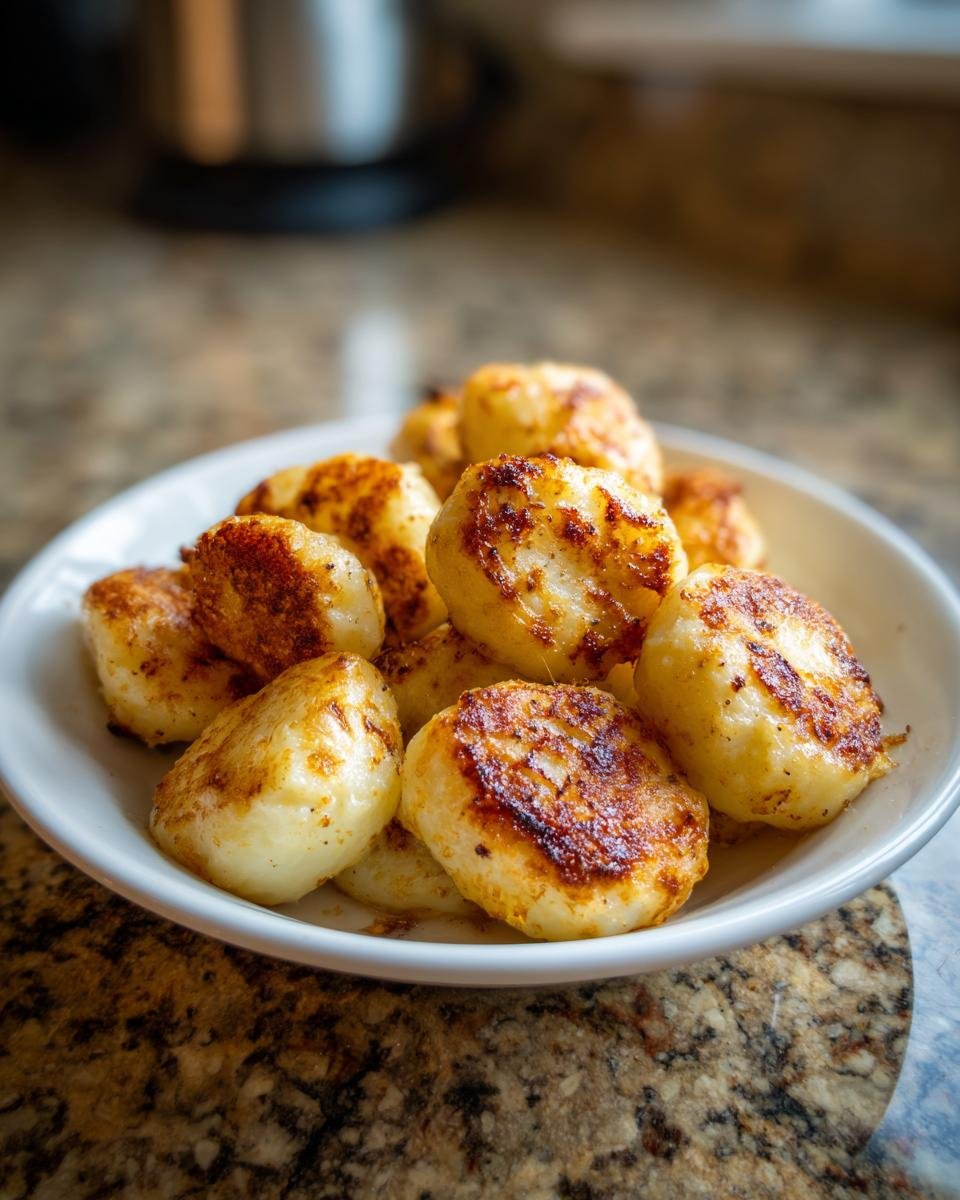
If you are reheating the ones you made ahead and froze (unboiled!), you can drop them straight from the freezer into boiling, salted water. They will take a few extra minutes to cook through, maybe 12 to 15 minutes total, but they will come out perfectly cooked when they float! Then, you can finish them with that buttery onion fry.
Frequently Asked Questions About German Cabbage Dumplings (Krautkloesse)
When you’re diving into a new classic recipe like these German Cabbage Dumplings, questions always pop up! I get asked about substitutions all the time, and sometimes people just want to know the best potato to use for their Krautkloesse. Hopefully, these quick answers help you feel totally confident moving forward. Getting the texture right on these potato dumplings is half the battle, but once you nail it, you’re golden!
Can I make these German Cabbage Dumplings vegan?
That’s a great question, especially since they are naturally so veggie-friendly! The only sticking point is that single egg we used as a binder. If you are avoiding eggs, you can easily swap that out. My go-to move is making a flax egg—just one tablespoon of ground flaxseed mixed with three tablespoons of water, letting it sit for about five minutes until it gets gloppy. That usually does the trick for holding the mixture together.
Alternatively, if your dough seems a little wet after adding the flax egg, just add in another tablespoon or two of that all-purpose flour until the dough feels right. You still want it easily shapeable, not sticky. It works great and keeps this cabbage side dish totally plant-based!
What is the best type of potato to use for these potato dumplings?
You want a potato that mashes up fluffy, not gummy or watery. Definitely steer clear of waxy potatoes like red potatoes; they tend to hold too much moisture and they just don’t break down nicely enough for a smooth dough. For the best results, you should look for a high-starch or all-purpose variety.
Russets, or Maris Piper if you can find them, are my absolute favorites for anything involving mashing. They soak up less water while cooking, meaning you don’t have to add as much flour later to compensate. If you boil them until they are totally soft and let them steam dry for a bit before mashing, those potato dumplings will be silky smooth—perfection!
Estimated Nutritional Information for German Cabbage Dumplings
Now, I have to give you the usual disclosure here, because measuring everything exactly when you’re making traditional comfort food can be tricky! These numbers are estimates based on the ingredients listed, assuming you use average store-bought ingredients and weigh things out reasonably well. The actual nutrition in your German Cabbage Dumplings might vary slightly depending on the type of potato or how much butter soaks into the onions during that final fry!
We’re aiming for hearty and satisfying, not diet food, so keep that in mind as you look over the values. These are meant to be a wonderful, filling side dish.
- Serving Size: 3 dumplings
- Calories: 250
- Fat: 8g (with 4g saturated)
- Carbohydrates: 38g
- Protein: 7g
- Sodium: 350mg
- Sugar: 3g
I always tell folks not to sweat the small stuff when we’re talking about family recipes like this. Enjoy the flavor first, and if you happen to make a batch and want to calculate them even closer, you can always plug the specific brands you used into an online calculator, but for a simple side dish, these estimates should give you a great baseline!
Share Your Experience Making German Cabbage Dumplings
That’s it! You’ve navigated the mashing, the careful boiling, and the glorious final butter-fry! Now that you’ve made your own batch of German Cabbage Dumplings, I absolutely insist you come back here and tell me how they turned out. Seriously, I want to hear all the details!
Did you manage to get that perfect, gentle boil? Did you use sauerkraut for that extra punch? Don’t be shy—let me know what you think! Leave a star rating right below the recipe card—did they earn five stars in your kitchen? I rely on your feedback to know if one of my tips truly saved the day.
And if you took pictures—and I really hope you did, because I love seeing my recipes come to life in your homes—please share them! Tag me on social media or just drop a line in the comments about what you served them with. Did you go traditional with smoked pork, or try something completely new?
Making these classic Krautkloesse connects us across kitchens, no matter where you are. I can’t wait to read about your triumphs (and maybe laugh about the first lumpy batch we all inevitably made). Happy cooking!
Print
German Cabbage Dumplings (Krautkloesse)
- Total Time: 45 min
- Yield: 4 servings 1x
- Diet: Vegetarian
Description
A recipe for traditional German dumplings made with cooked cabbage and potato.
Ingredients
- 1 lb potatoes, peeled and cooked
- 1 cup cooked, finely chopped cabbage
- 1/2 cup all-purpose flour
- 1 egg
- 1/4 teaspoon salt
- Pinch of black pepper
- 2 tablespoons butter for frying
- 1 medium onion, finely chopped
Instructions
- Mash the cooked potatoes until smooth.
- In a bowl, combine the mashed potatoes, chopped cabbage, flour, egg, salt, and pepper. Mix until a dough forms.
- Shape the mixture into small, oval dumplings, about 1.5 inches long.
- Bring a large pot of salted water to a gentle boil. Carefully drop the dumplings into the water.
- Cook the dumplings until they float to the surface, about 8 to 10 minutes. Remove with a slotted spoon.
- In a skillet, melt the butter over medium heat. Add the chopped onion and cook until soft and lightly browned.
- Add the cooked dumplings to the skillet with the onions and cook for a few minutes until lightly browned on all sides.
- Serve immediately.
Notes
- You can use sauerkraut instead of cooked fresh cabbage for a tangier flavor.
- For best results, do not overmix the dough.
- You can prepare the dumplings ahead of time and cook them later.
- Prep Time: 20 min
- Cook Time: 25 min
- Category: Side Dish
- Method: Boiling and Pan-Frying
- Cuisine: German
Nutrition
- Serving Size: 3 dumplings
- Calories: 250
- Sugar: 3
- Sodium: 350
- Fat: 8
- Saturated Fat: 4
- Unsaturated Fat: 4
- Trans Fat: 0
- Carbohydrates: 38
- Fiber: 4
- Protein: 7
- Cholesterol: 45
Keywords: German Cabbage Dumplings, Krautkloesse, potato dumplings, cabbage side dish, German food