
You know those moments, right? You’re halfway through a killer pancake recipe, or maybe you’ve got the perfect biscuit dough waiting, and then you realize it – no buttermilk! My heart sinks just thinking about it. I remember one time I was trying to make my grandma’s famous fluffy pancakes for a lazy Sunday brunch, and BAM! Empty carton. Panic mode! But seriously, don’t let a missing carton ruin your baking rhythm. The good news is, you can totally Make Buttermilk Substitutions super easily, right in your own kitchen. It’s a total game-changer for baking and so versatile!
Why You’ll Love These Make Buttermilk Substitutions
Honestly, these homemade buttermilk substitutes are just the best for so many reasons!
- Super Speedy: You can whip up a batch in literally minutes. No mad dashes to the store needed!
- Saves Money: Why buy a whole carton when you just need a cup? This way, you use what you have and avoid waste.
- Always Have It On Hand: Most of us always have milk, and usually some lemon juice or vinegar kicking around. It’s a total pantry hero!
- Works Like a Charm: Seriously, you won’t even notice the difference in your cakes, muffins, or pancakes. It adds that perfect tender crumb that real buttermilk does.
The Classic Lemon Juice or Vinegar Buttermilk Substitute
Okay, so this is my go-to method, the one I almost always reach for when that buttermilk craving hits and the fridge is bare. It’s ridiculously simple and relies on a little kitchen science! You see, buttermilk has a lovely tang because of its acidity. When you add an acid, like lemon juice or white vinegar, to regular milk, it kinda coaxes the milk proteins to clump up, or curdle, just like real buttermilk does. It’s not a scary curdling, though – it’s a gentle thickening that gives your baked goods that perfect tenderness and lift. Trust me, it works like a charm! For the best results, I always use whole milk or at least 2% milk. It just gives a richer, more authentic texture than skim, which can sometimes feel a bit too watery, even after it sits. You want that little bit of fat for richness, you know?

Ingredients for Your Buttermilk Substitute
Grab these few things and you’re golden! You’ll need 1 cup of your milk of choice – whole or 2% is best, I think. Then, you’ll need 1 tablespoon of either fresh lemon juice or plain white vinegar. That’s it! The simplicity is kind of amazing, isn’t it?
Simple Steps to Make Buttermilk Substitutions
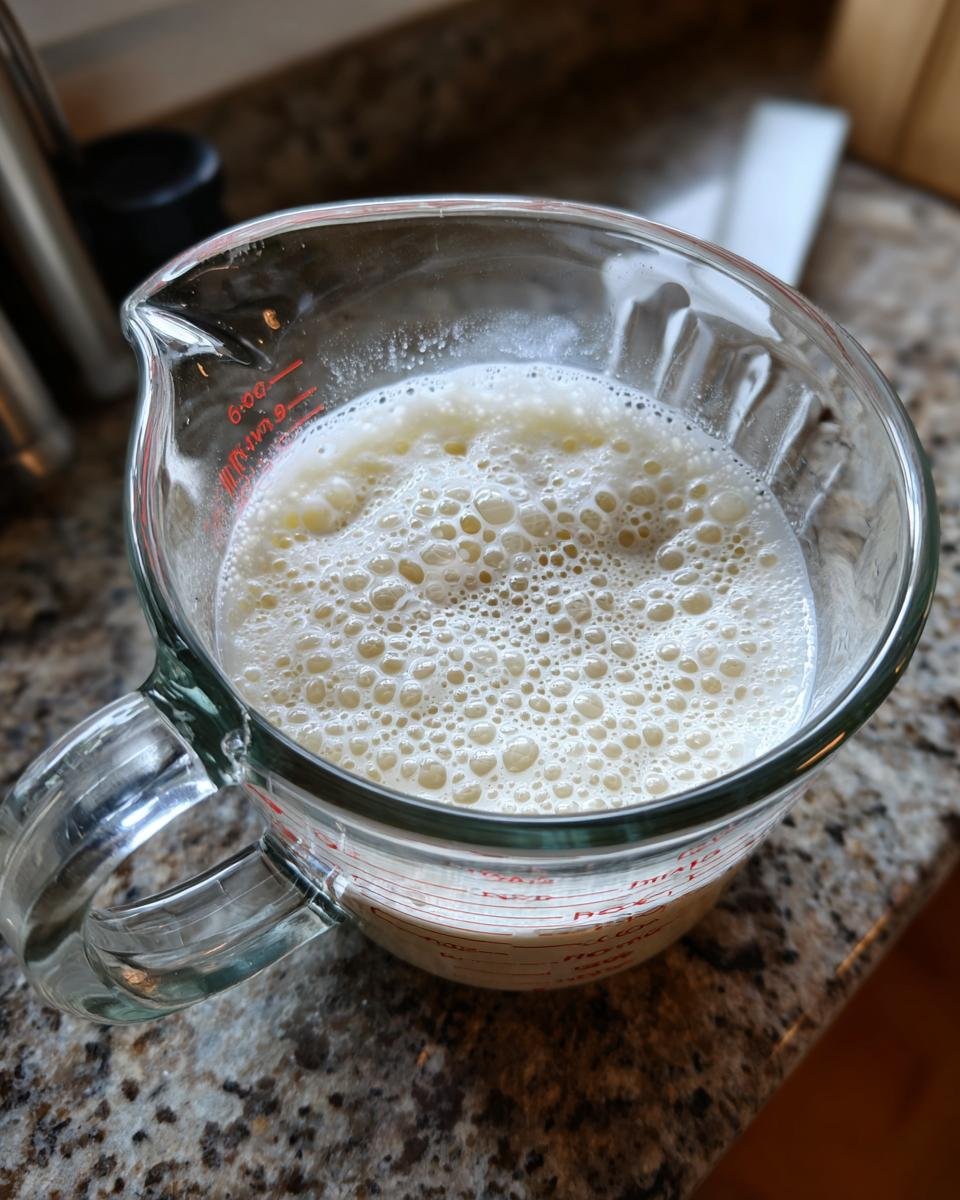
Making this is so easy, it feels like cheating! First things first, grab a liquid measuring cup – one of those glass ones with the markings is perfect for this. Pour your 1 tablespoon of lemon juice or white vinegar right into the bottom of the cup. Next, top it off with your milk, making sure to measure until you hit the 1-cup line. Give it a gentle swirl or stir with a spoon, just to mix them up a bit. This is where you can start thinking about your next awesome bake – maybe my amazing blueberry muffins? Now for the magic part: just let it sit there on the counter for about 5 to 10 minutes. You’ll start to see it get a little thicker and see slight little curdles forming. It’s ready when it looks slightly thickened and a little… well, curdled-looking. Boom! Your homemade buttermilk substitute is ready to go straight into your recipe. Easy peasy!
Exploring Other Make Buttermilk Substitutions
So, while the lemon juice or vinegar trick is my absolute favorite – it’s just *so* quick and foolproof – you’ve actually got a couple of other super useful ways to Make Buttermilk Substitutions if you happen to have different things in your fridge or pantry. These are just as effective, and sometimes might even be better depending on what you’re baking!
Yogurt or Sour Cream Buttermilk Substitute
You know how yogurt and sour cream are already thick and tangy? That makes them fantastic buttermilk stand-ins! Just take about 1 cup of plain yogurt or sour cream – make sure it’s not the flavored kind! – and thin it down with about 1/4 cup of regular milk. Give it a good stir until it’s smooth and pourable. The texture is usually a bit richer, which is amazing for cakes or muffins where you want that extra moistness. It adds a wonderful depth of flavor, too!
Cream of Tartar Buttermilk Substitute
This one’s a bit less common, but totally works! If you’ve got cream of tartar for baking, you can use it. For 1 cup of milk, you’ll want to whisk in about 1 and a half teaspoons of cream of tartar. Let it sit for a few minutes, just like the lemon juice version, and it’ll thicken up nicely. Cream of tartar is an acid, so it does the same job of curdling the milk and giving you that lovely buttermilk tangy flavor and tender texture. It’s a solid option if you’re out of other acidic ingredients.
Tips for Success with Your Buttermilk Substitutions
Okay, so making your own buttermilk substitute is pretty foolproof, but here are a few little things I’ve learned over the years to make sure yours turns out *perfect* every single time. First off, like I mentioned, whole milk or 2% milk is your best bet. They just give you that lovely richness that really makes a difference in your baked goods. Make sure your lemon juice or vinegar is fresh, too – you don’t want any weird off-flavors sneaking in there! My personal little trick for knowing it’s *really* ready? Besides the slight thickening, I look for the little flecks of curd to start forming. If you can see them separating just a tiny bit from the liquid, it’s good to go. You can use it right away in your recipe, no waiting needed! For more baking tips and tricks, check out my favorite baking secrets.

Dairy-Free and Vegan Make Buttermilk Substitutions
Now, I know not everyone does dairy, and that’s totally cool! The great thing is you can absolutely Make Buttermilk Substitutions that are dairy-free or vegan, and they work like a dream. You just need to swap out the regular milk for a plant-based alternative. My personal favorites for this are unsweetened almond milk, soy milk, or even oat milk. They all react beautifully with the lemon juice or vinegar, forming those little curds that give your baking that special moistness and tenderness. Just make sure your plant milk is *unsweetened*, okay? We don’t want any strange flavors interfering with our delicious baked goods. You can use them in pretty much any recipe that calls for buttermilk, from pancakes to cakes!
When to Use Buttermilk Substitutes in Baking
So, when should you actually reach for one of these handy buttermilk substitutes you’ve whipped up? Honestly, pretty much anytime a recipe calls for buttermilk! They are absolute superstars in things like fluffy pancakes and tender waffles. They also work wonders in cakes and cupcakes, giving them that super soft, moist crumb that just melts in your mouth. And don’t even get me started on biscuits and scones – buttermilk makes them unbelievably flaky and tender. The real magic of buttermilk, whether it’s store-bought or homemade, is its acidity. It reacts with baking soda to give baked goods an extra boost of lift and tenderness, making everything lighter and more delectable!
Frequently Asked Questions About Make Buttermilk Substitutions
Got a burning question about making your own buttermilk? I get it! It’s my go-to trick, but sometimes things pop up. Here are some of the questions I get asked most often. Hopefully, they’ll help you out!
Can I use skim milk for my buttermilk substitute?
You *can*, but honestly, it’s not my first choice for the best results. Skim milk just doesn’t have much fat, so your substitute might end up a little thinner and the final baked good might not be *quite* as tender or rich. I really recommend using whole milk or at least 2% milk if you can. It makes a noticeable difference!
How long does homemade buttermilk substitute last?
Since you’re making it fresh with milk and acid, it’s really best to use it right away in your recipe. It’s not like store-bought buttermilk that has preservatives. Trying to store it probably isn’t the best idea, and I wouldn’t recommend keeping it for more than a day, if that. Fresh is always best for baking!
What if I don’t have lemon juice or white vinegar?
No worries! If you don’t have lemon juice or white vinegar, you can totally use apple cider vinegar – it works just the same. Another handy trick is to use cream of tartar mixed with milk! For 1 cup of milk, just stir in about 1.5 teaspoons of cream of tartar and let it sit for a few minutes. Easy peasy!
Does the type of milk matter for vegan buttermilk substitutes?
It can! For vegan or dairy-free versions, I find unsweetened almond, soy, or oat milk work the absolute best. They react nicely with the acid to create that slight curdling. Just make sure they’re unsweetened so you don’t end up with a weird flavor in your baking. Avoid milk substitutes with a lot of added sugars or flavors.
Can I make a bigger batch of buttermilk substitute?
Absolutely! You can definitely scale up the recipe. Just keep the ratio the same: 1 tablespoon of acid (lemon juice or vinegar) for every 1 cup of milk. So, if you need 2 cups, just double the ingredients. It’s that simple to always have enough for whatever your recipe calls for!
Still have questions? Feel free to reach out on my contact page!
Nutritional Information (Estimated)
Just a heads-up, the nutritional info here is an estimate for 1 cup of the classic lemon juice or vinegar buttermilk substitute, using regular 2% milk. Because milk types can differ, so can the exact numbers. You’re looking at roughly 120 calories, about 5g of fat, 8g of protein, and 12g of carbs with 12g of sugar. It’s pretty close to regular milk, just with that tangy twist!
Print
Buttermilk Substitutions
- Total Time: 10 minutes
- Yield: 1 cup 1x
- Diet: Vegetarian
Description
Learn how to make easy buttermilk substitutes for your recipes.
Ingredients
- 1 cup milk
- 1 tablespoon lemon juice or white vinegar
Instructions
- Pour 1 tablespoon of lemon juice or white vinegar into a liquid measuring cup.
- Add milk to the measuring cup until it reaches the 1-cup line.
- Stir gently.
- Let the mixture stand for 5 to 10 minutes at room temperature until it thickens slightly and curdles.
- Use as a substitute for buttermilk in your recipe.
Notes
- This substitution works well in most baking recipes.
- For a dairy-free option, use unsweetened plant-based milk like almond or soy milk.
- Prep Time: 5 minutes
- Cook Time: 0 minutes
- Category: Baking
- Method: No Cook
- Cuisine: American
Nutrition
- Serving Size: 1 cup
- Calories: 120
- Sugar: 12g
- Sodium: 90mg
- Fat: 5g
- Saturated Fat: 3g
- Unsaturated Fat: 2g
- Trans Fat: 0g
- Carbohydrates: 12g
- Fiber: 0g
- Protein: 8g
- Cholesterol: 20mg
Keywords: buttermilk substitute, milk substitute, baking substitute, dairy substitute, lemon juice, vinegar