
Nothing beats coming in from the cold weather and smelling something truly comforting cooking away on the stove. Oh, the smells of real, traditional Irish cooking! It wraps around you like a warm blanket, doesn’t it? Forget the fancy gourmet meals for second; when you want honest, hearty Irish food made the way it’s supposed to be, you need this recipe.
I tried making a few complicated stews over the years, but I always came back to the same simple, perfect dish. This isn’t some fussy modern take; this is the most authentic and simple **Dublin Coddle** recipe you are ever going to find. It’s the dish that tells a story—it reminds me of the first time I had it in a tiny pub in County Dublin where the owner swore her grandmother had been making it the same way since the 1920s. It’s all about patience and letting those simple ingredients—sausages, bacon, potatoes—meld together into something totally magical.
You’re going to see how unbelievably easy it is, too. We’re talking about putting things into a pot and letting time do all the work. Stick with my timing and my simple layering, and trust me, you’ll have kitchen magic happening in your house!
Why This Authentic Dublin Coddle Recipe Works (Experience & Expertise)
What makes this **Dublin Coddle** so different from, say, a regular Irish stew? It’s the restraint, honestly! We aren’t using thickeners or loads of herbs; we’re just using good quality pork sausages, bacon, onions, and potatoes, and that’s it. My experience cooking this taught me that the magic happens when you respect the ingredients and the method.
We use water or the lightest stock because we want the flavor to come purely from the meat fat rendering out slowly. My biggest expert tip, learned the hard way, is about the simmer. You have to keep it gentle—barely a bubble breaking the surface. If you boil it hard, the potatoes turn into gluey mush too fast, and the sausages burst their skins! We want soft, yielding potatoes that help thicken the broth naturally, not a chunky soup. It’s all in that slow, patient bubbling; you can check out some tips on patience in the kitchen here: baking tips to make you a better baker.
Gathering Ingredients for Your Dublin Coddle
Okay, now that you’re excited about the technique, let’s look at what you’ll need to pull this off. The beauty of the **Dublin Coddle** is that it uses pantry staples, but the quality really does make a difference here. Since there are only a few things going into the pot, make sure what you buy is good!
First up, the potatoes. You need about four large ones, and they absolutely must be peeled and sliced thickly—I mean close to a half-inch thick. They are the backbone of this dish, so don’t skimp! Then, grab two big onions and just slice those up nice and easy too. They dissolve beautifully into the broth while cooking down.
For the meat, we need four pork sausages. If you can find proper, thick Irish pork sausages, please use them; they hold up better. You also need four rashers of bacon, and I cut mine right into nice chunky pieces before they go in. Simple stuff!
The liquid is easy: about a pint, or 500 milliliters, of plain water or a really light stock—nothing too salty or flavorful, we want the meat to shine. Toss in one bay leaf for depth, and then just salt and pepper to taste. Oh, and a little secret I learned about thickening: if you want a slightly heartier texture, you can toss in a handful of pearl barley—just remember to soak it a bit first, kind of like when you’re dealing with making buttermilk substitutes, which you can read about here: make buttermilk substitutions. But honestly, even without the barley, this dish is pure comfort!
Step-by-Step Instructions for Perfect Dublin Coddle
This is where the real magic happens! Don’t let the long cooking time scare you; the actual hands-on work for this **Dublin Coddle** recipe is incredibly short. It’s mostly just assembly before you let the stove work its patient charm. I always get excited because watching the layers go in feels like building a little savory house ready for a long, cozy nap in the oven—or on the stove, in this case!
Layering the Pot for the Dublin Coddle
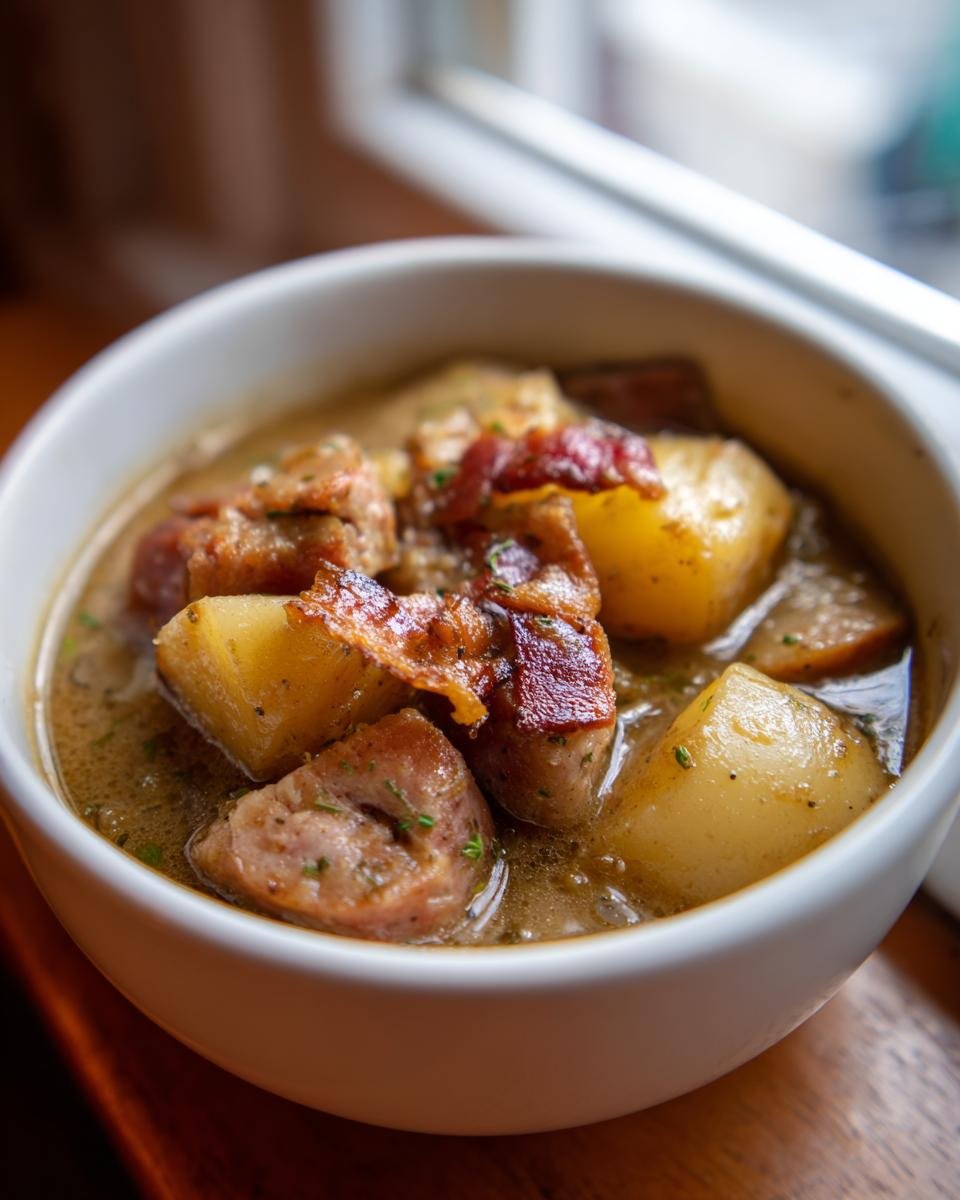
Grab your big, heavy-bottomed pot—you want something that holds heat well so we avoid those hot spots. First thing goes in are your potatoes and onions, the sliced ones we just talked about. Spread them out evenly to cover the bottom layer. Next, we arrange the meat right on top of those veggies. Lay the sausages down, and then scatter your cut-up rashers of bacon over everything. Think of it like creating layers protecting the vegetables underneath.
Now, we add the liquid. Pour in that pint of water or light stock. You only want enough liquid so the ingredients are *just* covered; we aren’t making soup here! Pop in that single bay leaf, give it a light sprinkle of salt and pepper, cover the pot quickly, and move right to the stove.

The Slow Simmer: Making the Best Dublin Coddle
This is the most important part, please listen to me on this: Bring the liquid up to a gentle simmer over medium heat. I mean gentle! The instructions say baking tips to make you a better baker often stress patience, and this is where you need it! You should see just the smallest bubbles occasionally breaking the surface. If you boil it rapidly, I’m telling you, the whole thing will fall apart and taste harsh. This is not the time to rush.
Once it’s barely bubbling, turn the heat down as low as it can go while still maintaining that shimmer. Now, place the lid on tight and you just leave it alone. Seriously. It needs 1.5 to 2 hours. Trust me, by the time that hour and a half hits, your whole kitchen smells like the best, most comforting pub in Dublin. It’s such a rich, savory aroma! After the time is up, just fish out that bay leaf, and it’s ready to serve.
Tips for Success When Making Dublin Coddle
Making a genuinely great **Dublin Coddle** isn’t really about complicated maneuvers; it’s about smart sourcing and knowing how to serve it up right. First, let’s talk about the sausages again. If you can find ones that are high in pork content and lower in fillers, they hold their shape much better during that long simmer. Mushy sausages are a sad thing!
Also, remember how I mentioned the stock? If you absolutely must use stock instead of water, make sure it’s very low sodium or unseasoned. The bacon is salty enough, and we want to control the final seasoning ourselves. Salt tends to concentrate as water evaporates during that long cook time, so go lighter than you think you need to at the start. You can always add more at the end, but you can’t take it out!
Finally, the serving is non-negotiable: you need crusty bread. Thick slices of crusty soda bread, maybe lightly toasted, are the only way to properly soak up all those lovely, savory juices at the bottom of the bowl. It’s not a side dish; it’s a utensil! If you’re having trouble nailing the texture in other recipes, sometimes these little tips on technique really help save the day, like the ones I shared in this guide: baking tips to make you a better baker.
Serving Suggestions for Your Dublin Coddle
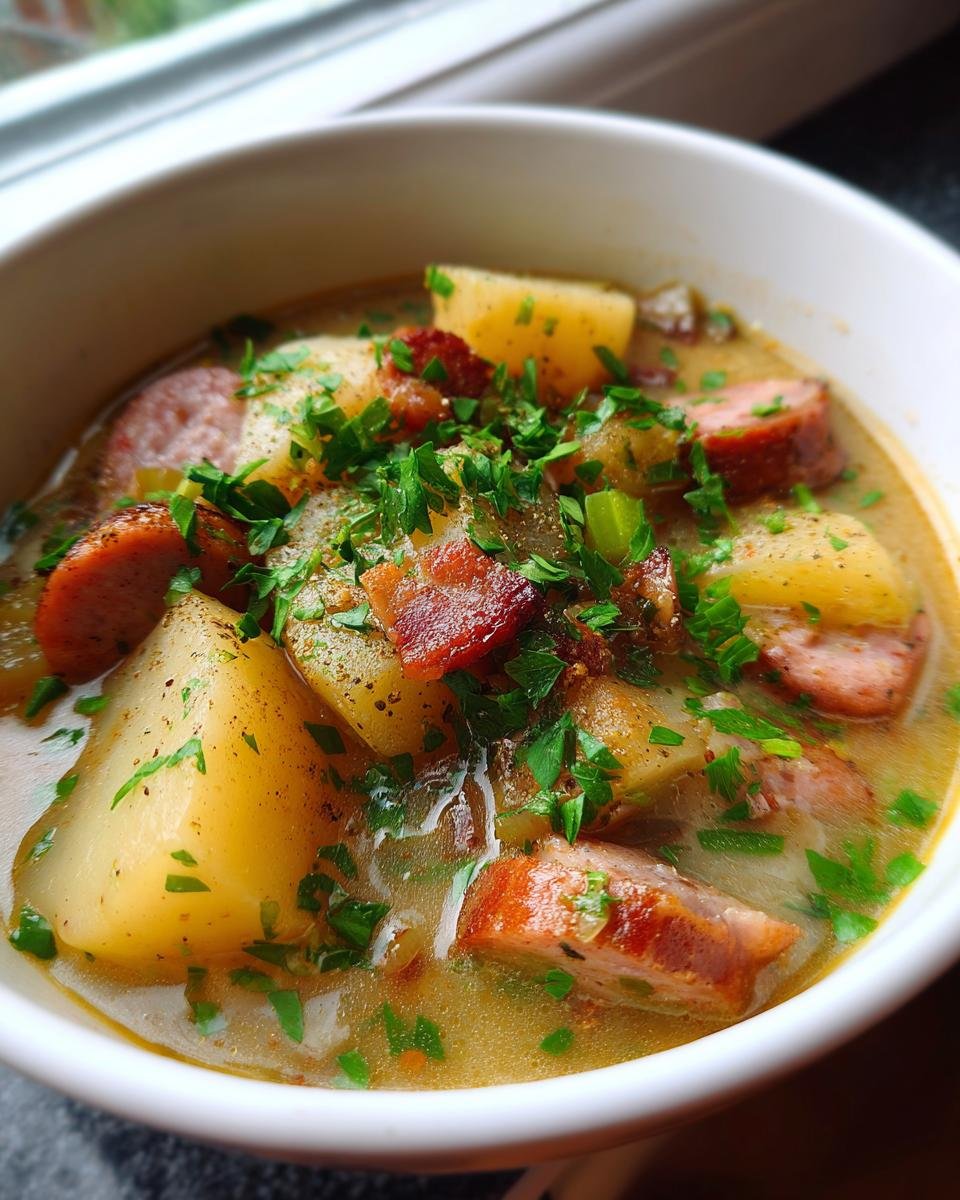
Alright, we’ve waited the full two hours, fished out that lonely bay leaf, and now it’s time to eat! Serving this **Dublin Coddle** is almost as important as cooking it correctly. You already know you need some fantastic, crusty bread—really thick slices of Irish soda bread, if you have it, are amazing for scooping up the broth and vegetables.
If you want something green on the side to cut through the richness, don’t overthink it. A very simple side salad with a sharp vinaigrette works wonders, just something light that doesn’t compete with the stew. Honestly though, most traditionalists skip the salad entirely and just make sure everyone has plenty of bread and a pint of something dark to go with it!
Storage and Reheating Your Leftover Dublin Coddle
The best part about a big pot of this kind of food is that it’s even better the next day, if it lasts that long! You can safely keep your leftover **Dublin Coddle** tucked away in the fridge for about three or four days, sealed up tight in an airtight container. Don’t just leave it uncovered; those potatoes will start getting a strange skin on them.
When you go to reheat it, please, please resist the urge to crank the heat up high on the stovetop. We want a gentle warming event here! Reheat it slowly over low to medium-low heat. If you boil it again, those lovely, soft potatoes break down way too much, and you’ll end up with something closer to mashed potato soup, which isn’t what we want! A slow, gentle heat lets everything melt back together perfectly without losing the simmered texture.
Variations on the Traditional Dublin Coddle
While I preach sticking to the absolute basics for the classic **Dublin Coddle**, because that’s what makes it authentic, sometimes you just need to tweak things based on what you have on hand. Don’t panic if you don’t have water; a light beef stock works fine, though it will deepen the color and add a richer flavor than the traditional, pale version. Just tread lightly with salt if you use stock!
Another great variation involves the vegetables. If you have some parsnips hanging around, chop them into chunks similar to your potatoes; they add a lovely, subtle sweetness as they cook down. Some folks even like to add a carrot or two, though it’s not strictly traditional. Another thing people sometimes do is swap out some of the liquid for a half-cup of stout near the end of the cooking process. Just add it in the last 30 minutes; it gives the broth an incredible dark, malty depth while still keeping the spirit of the simple layered Coddle alive. It’s delicious, I won’t lie!
Frequently Asked Questions About Dublin Coddle
What is the difference between Dublin Coddle and Irish Stew?
That’s a great question! People mix them up all the time, but they are truly different beasts. Irish Stew is usually made with lamb or mutton, often includes carrots and maybe turnips, and it generally has a bit more liquid and robust seasoning. The **Dublin Coddle**, on the other hand, is a much humbler dish—it’s all about pork sausages, bacon, potatoes, and onions in a very simple, pale broth. Coddle is what you made with what you had ready to go; stew is a bit more complex!
Can I make Dublin Coddle ahead of time?
You absolutely can, and sometimes it’s even better the next day! You can cook the whole thing, let it cool, and refrigerate it. When you reheat it, just remember that gentle approach we talked about. If you’re trying new methods in the kitchen, sometimes having a little reference library helps—you can find some great reminders about timing and heat here: baking tips to make you a better baker.
Why are the potatoes mushy in my Dublin Coddle?
If your potatoes turned into total mush rather than soft, yielding slices, you likely boiled the mixture too hard. Remember, the slow, gentle simmer is key! If you boil it rapidly, the starch releases way too fast and clumps up. Also, make sure you’re slicing them thickly—thin slices disintegrate much quicker than the half-inch slabs I recommend!
Do I have to use pork sausages?
Yes, traditionally, you do. The flavor profile relies heavily on the fat and herbs from the pork sausage and bacon. Using chicken sausages will drastically change the flavor profile of this traditional dish. Stick to good quality pork for the authentic taste!
Nutritional Estimates for Dublin Coddle
Now, I’m not going to tell you this incredible, comforting dish is health food—it’s hardy Irish cooking, so it’s meant to stick to your ribs! But, because we aren’t adding flour or loading it up with cream like some other stews, it’s surprisingly balanced when made as written.
Here is a rough breakdown based on using standard pork sausages and bacon. Remember, these figures are just estimates—the actual fat and sodium can swing wildly depending on whether you splurged on high-fat, artisan sausages or went for leaner cuts. You can see the numbers below:
- Serving Size: 1 serving
- Calories: 450
- Sugar: 5 grams
- Sodium: 850 mg (That’s where the bacon comes in!)
- Fat: 25 grams
- Saturated Fat: 10 grams
- Unsaturated Fat: 15 grams
- Trans Fat: 0 grams
- Carbohydrates: 35 grams
- Fiber: 4 grams
- Protein: 25 grams
- Cholesterol: 80 mg
If you’re using lower-fat sausages or cutting some of the visible fat off your rashers before cooking, you can definitely shave some points off that fat and sodium count. But honestly, when you’re warming up from a cold day, you just need to enjoy it for what it is: pure, hearty goodness.

Share Your Dublin Coddle Experience
Well, that’s my very humble, very traditional way of making a magnificent big pot of **Dublin Coddle**! I’ve given you all my secrets—the slow simmer, the layering, and the absolute necessity of crusty bread for dipping. Now it’s your turn to get cooking!
I really, truly want to know how this turned out for you. Did you use pearl barley, or did you stick to the simple version? Did your kitchen smell as amazing as mine always does during that two-hour simmer?
Please take a moment after you’ve finished your hearty bowls to let me know what you thought. Pop down into the comments below, give the recipe a star rating so others know how it went, and definitely share any little twists or modifications you made to your own family’s version. I love hearing how you all put your own stamp on these classic dishes. Happy feasting!
Print
Dublin Coddle Recipe
- Total Time: 135 min
- Yield: 4 servings 1x
- Diet: Low Fat
Description
A traditional Irish stew featuring sausages, bacon, potatoes, and onions simmered in a simple broth.
Ingredients
- 4 large potatoes, peeled and sliced
- 2 large onions, sliced
- 4 pork sausages
- 4 rashers of bacon, cut into pieces
- 1 pint (about 500ml) of water or light stock
- 1 bay leaf
- Salt and pepper to taste
Instructions
- Place the sliced potatoes and onions in a large, heavy-bottomed pot.
- Arrange the sausages and bacon pieces over the vegetables.
- Pour in the water or stock until the ingredients are just covered.
- Add the bay leaf, salt, and pepper.
- Bring the liquid to a gentle simmer over medium heat. Do not boil rapidly.
- Cover the pot and cook slowly for about 1.5 to 2 hours, or until the potatoes are very soft and the flavors have blended.
- Remove the bay leaf before serving.
Notes
- Serve hot with crusty bread for dipping.
- Some recipes add a small amount of pearl barley for thickness.
- Prep Time: 15 min
- Cook Time: 120 min
- Category: Dinner
- Method: Simmering
- Cuisine: Irish
Nutrition
- Serving Size: 1 serving
- Calories: 450
- Sugar: 5
- Sodium: 850
- Fat: 25
- Saturated Fat: 10
- Unsaturated Fat: 15
- Trans Fat: 0
- Carbohydrates: 35
- Fiber: 4
- Protein: 25
- Cholesterol: 80
Keywords: Dublin Coddle, Irish stew, sausage, bacon, potatoes, traditional Irish food