
Ever look at a beautifully baked cake or perfectly risen bread and think, “How did they DO that?” Trust me, I’ve been there! For years, my kitchen adventures were a bit of a rollercoaster. Some days were pure magic, but others? Let’s just say my “cookies” often ended up more like hockey pucks. But I finally figured out the secret: mastering a few core Baking Tips To Make You A Better Baker can totally transform your results. It’s not about fancy gadgets; it’s about understanding the little things that make a HUGE difference, turning you from a hesitant beginner into a confident baker, one delicious bake at a time!
Why These Baking Tips To Make You A Better Baker Matter
Okay, so why bother with the nitty-gritty details? Because mastering these foundational baking tips isn’t just about following steps; it’s about understanding the *why* behind them. When I first started, I’d get so frustrated when my cakes came out dense or my cookies spread too much. I was following recipes, but I wasn’t *baking* with understanding! Learning about how ingredients interact and how crucial oven accuracy is changed everything. It’s these seemingly small techniques – like making sure my butter is actually soft, not melted, when a recipe calls for it – that lead to consistently delicious results. They help you troubleshoot when things go wrong and, honestly, make the whole process way more enjoyable and less of a baking gamble!
Essential Baking Tips To Make You A Better Baker: The Foundation
Alright, let’s get down to the nitty-gritty! These are the absolute rock-solid basics, the things that, if you get them right, will make such a HUGE difference in your baking. Seriously, I can’t stress these enough. They’re the building blocks. You’ll find that following these Baking Tips To Make You A Better Baker will set you up for success every single time.
Read Your Recipe Thoroughly
This is my number one rule, maybe above all others! Before you even *think* about pulling out a bowl, read the entire recipe from start to finish. Did you remember to soften the butter like it says? Do you have all the spices? Is that pie tin you’re planning to use actually the right size? I once forgot to read ahead and realized halfway through mixing that I needed to chill a dough for two hours. That bake was… delayed! Reading first saves so much stress and prevents those “oops!” moments.
Mastering Ingredient Measurement
Measuring ingredients perfectly is SO important, especially flour. If you just scoop your measuring cup straight into the bag, you’ll end up with way too much flour, leading to dry, dense bakes. Trust me, I’ve made this mistake more times than I care to admit! The best way is to gently spoon the flour into your measuring cup until it’s overflowing, then use the back of a knife or a straight edge to level it off. For super precise baking, like say, making a delicate pie crust, a kitchen scale is your best friend. It takes the guesswork right out of it!
The Magic of Room Temperature Ingredients
This one sounds simple, but it’s a game-changer, especially when recipes call for creaming butter and sugar. When butter is at room temperature – meaning it’s soft but not melted, like when you can easily press your finger into it – it whips up with sugar to create tiny air pockets. These pockets are what give cakes and cookies that lovely, tender texture. If your butter is too cold, it won’t cream properly, and if it’s too warm, your batter can get greasy. The same goes for eggs and milk; they blend much more smoothly into batters when they aren’t fridge-cold.

Oven Know-How: Key Baking Tips To Make You A Better Baker
Okay, so your ingredients are measured, your batter is mixed – woohoo! But wait, there’s one more super important step before everything goes into the oven. Thinking about your oven is a HUGE part of these Baking Tips To Make You A Better Baker. It’s like sending a kid to school without breakfast; they just won’t perform their best! Getting these oven-related details right makes such a difference, from how high your cake rises to how evenly it bakes. You know, sometimes I think about how easy certain things seem, like baking cod in the air fryer, but baking needs a little more finesse!
Preheating Your Oven Correctly
Seriously, don’t cheat this step! Turning on your oven five minutes before you bake isn’t enough. You need it to be *fully* preheated, meaning it’s reached that exact temperature you set. If your oven is too cool, your baked goods might not rise properly, or they could end up dense and gummy. And if it’s too hot? You’ll get burnt edges and a raw, gooey center. I highly recommend getting an oven thermometer; they’re cheap and show you the *real* temperature your oven is hitting, which is often different from the dial!
Proper Pan Preparation
This is all about preventing sad, stuck-on baked goods. Ugh! You want your beautiful cake or loaf to slide right out, remember? For cakes and quick breads, a good layer of grease (I like butter or shortening for this) followed by a sprinkle of flour, tapped all around to coat, works wonders. Don’t forget to tap out any extra flour! For tricky pans or if you’re really worried, lining the bottom with parchment paper is a lifesaver. It makes your lovely creations so much easier to release and keeps them looking gorgeous.

Ingredient Intelligence: Understanding Your Baking Components
So, we’ve talked about preparation and oven setup, but let’s dive into the actual stuff we’re putting *in* the batter. Knowing what your ingredients are doing is like having a secret cheat code for better baking! It helps you understand why a recipe works and what might be going wrong if your bake isn’t quite right. It’s really key to unlocking all those great Baking Tips To Make You A Better Baker. For instance, understanding your ingredients is just as important as knowing how to whip up something light and fluffy!
The Role of Leavening Agents
Think of baking soda and baking powder as your little helpers that make things rise. They create bubbles of gas that expand in the heat of the oven. Baking soda needs an acid (like buttermilk or brown sugar) to get going, while baking powder has its own acid built in. It’s super important they’re fresh! You can test baking soda by dropping a little in some vinegar – it should fizz like crazy. For baking powder, a little hot water should make it bubble up. Stale leavening means a flatter bake, and nobody wants that!
The Art of Mixing Batter
This is where things can go sideways fast! When you mix flour with liquid, you start developing gluten, which gives structure. That’s good! But overmixing, especially after adding flour, develops *too much* gluten. This makes your cakes tough, your cookies chewy instead of tender, and your muffins a bit rubbery. The goal is almost always to mix *just until combined*. You might still see a streak or two of flour, and that’s usually okay. For delicate things like adding whipped egg whites or fruit, use a gentle folding motion instead of stirring – it keeps all that precious air you worked so hard to create!
Post-Bake Perfection: Cooling and Beyond
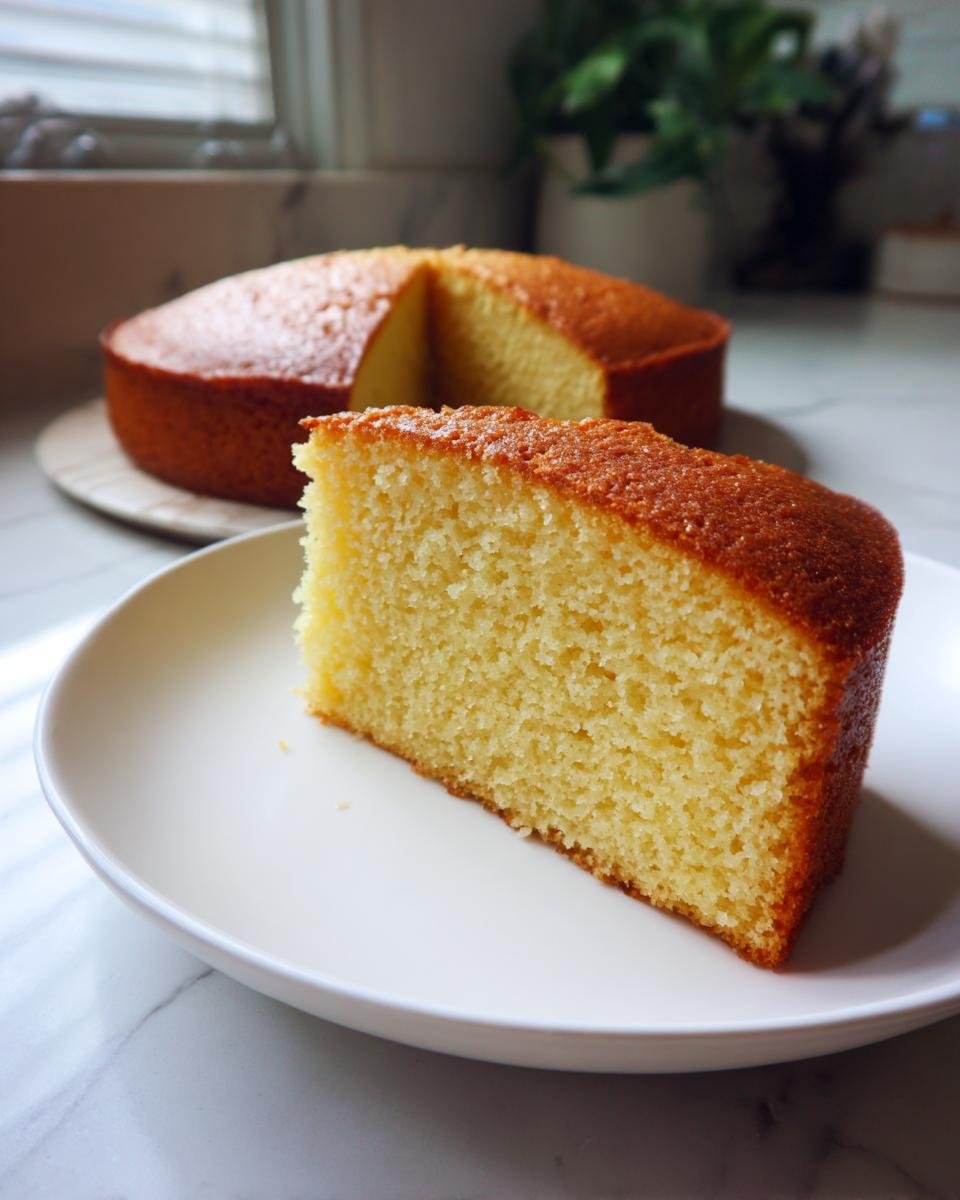
We’re almost there! The baking part is done, but don’t just yank that pan out and call it a day. What happens *after* it comes out of the oven is just as important for a perfect bake. It’s a little step, but it makes a world of difference and is a crucial part of these smart baking tips. You know, I used to go straight from the oven to the counter, and my cakes always seemed a bit… sad and sticky on the bottom. Learning about cooling really changed things, almost as much as mastering a delicious caramel sauce!
The Importance of Cooling Racks
Once your baked good is out of the oven, letting it sit for a few minutes (as the recipe usually says) and *then* carefully turning it out onto a wire rack is key. This lets air circulate all around it, preventing that dreaded soggy bottom. Any steam that’s still trapped can escape, leaving you with a perfectly crisp crust and a bake that’s ready to be frosted or enjoyed!
Practice and Patience: The Final Baking Tips
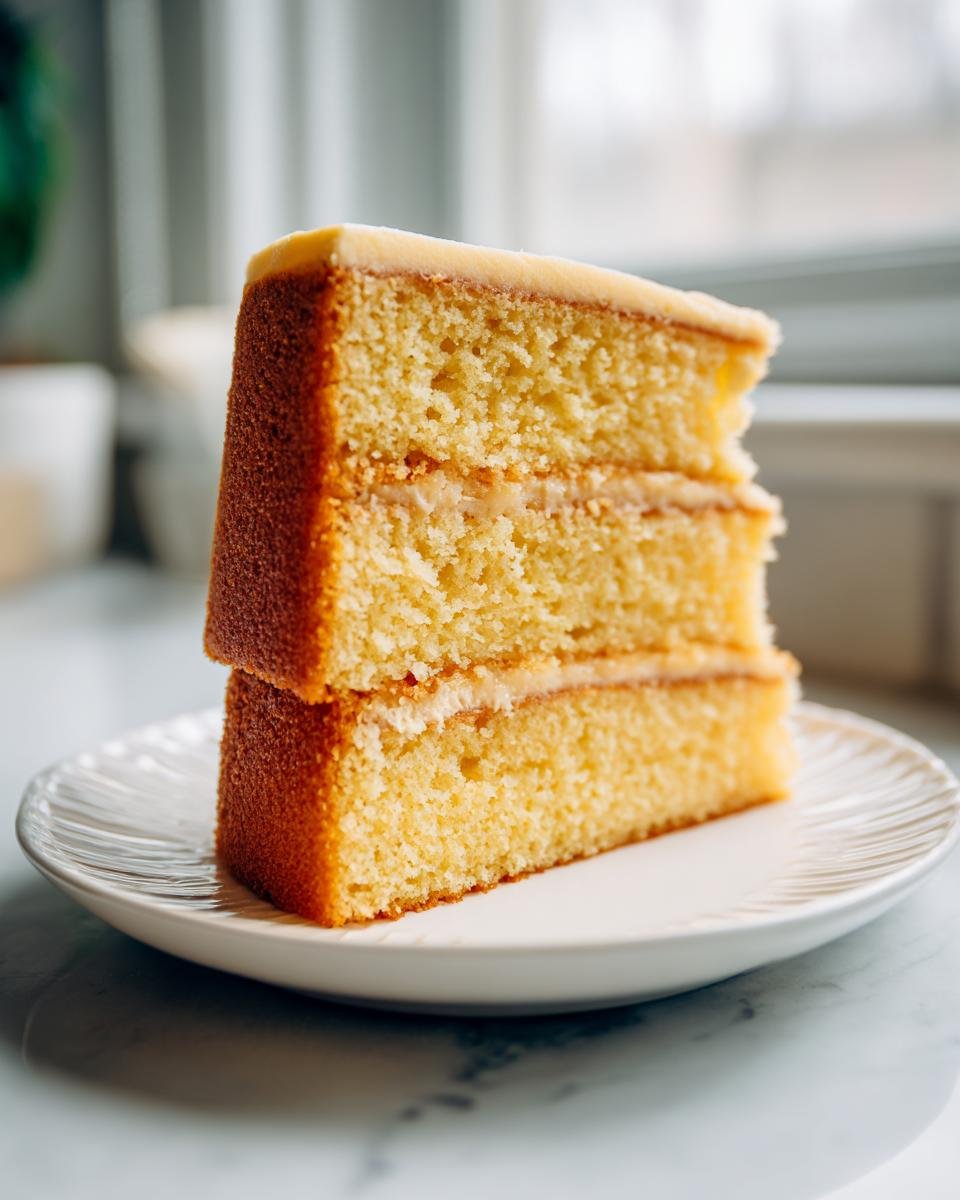
Okay, we’ve covered a lot of ground, haven’t we? From reading the recipe first to properly cooling your creations. But here’s the absolute final, most important tip in all these Baking Tips To Make You A Better Baker: just keep baking! Seriously. Nobody becomes a fantastic baker overnight. I certainly didn’t! My first few attempts at anything more complicated than toast were… memorable, for all the wrong reasons. But with every bake, whether it was a triumph or a hilarious flop (like the time my cookies looked like pancakes!), I learned something new. Check out my baking journey if you need proof! Don’t get discouraged. Embrace the process, have fun, and remember that practice really does make perfect. Your kitchen is your playground!
Frequently Asked Questions About Baking Tips
Got more questions bouncing around in that baking brain of yours? I totally get it! Here are a few things people often ask me when they’re trying to up their baking game. Don’t hesitate to reach out if you’ve got something else on your mind!
What’s the best way to measure flour for baking?
Oh, this is such a common one! Instead of scooping directly from the bag, gently spoon your flour into the measuring cup until it’s overflowing. Then, use the back of a knife or another straight edge to sweep off the excess. For super-duper accuracy, a kitchen scale is your new best friend!
How do I know if my baking soda or powder is still good?
Great question! For baking soda, just put a little in a small bowl and pour a splash of vinegar over it. If it fizzes like a science experiment, it’s good to go! For baking powder, put a teaspoon in a bowl and pour about 1/4 cup of hot water over it. It should bubble up nicely. If either test is a dud, it’s time for a fresh box!
Can I substitute ingredients in baking recipes?
This is a tricky one! Sometimes yes, sometimes no. It really depends on what you’re swapping and what the original ingredient was doing in the recipe. For example, swapping types of sugar can change texture and flavor a lot. If you’re unsure, it’s always best to do a quick search for that specific substitution or stick to the recipe the first time!
Nutritional Information
Just a little heads-up: the nutritional info below is an estimate for a typical serving. Actual values can totally vary depending on the specific ingredients and portion sizes you use when you’re baking. It’s just a rough guide!
Print
Baking Tips To Make You A Better Baker
- Total Time: 45 min
- Yield: Varies
- Diet: Vegetarian
Description
Learn essential baking tips to improve your skills and achieve consistent results in the kitchen.
Ingredients
- All-purpose flour
- Granulated sugar
- Baking soda
- Baking powder
- Salt
- Butter
- Eggs
- Milk
- Vanilla extract
Instructions
- Read your recipe thoroughly before you begin.
- Measure your ingredients accurately, especially flour. Spoon flour into the measuring cup and level it off with a straight edge.
- Use room temperature ingredients like butter, eggs, and milk when specified.
- Preheat your oven to the correct temperature and ensure it is fully heated before baking.
- Do not overmix your batter. Mix until just combined.
- Grease and flour your baking pans properly to prevent sticking.
- Cool baked goods on a wire rack to allow air circulation.
- Understand the function of each ingredient.
- Practice makes perfect. Don’t be discouraged by initial setbacks.
Notes
- For best results, use fresh baking soda and baking powder.
- Consider using a kitchen scale for precise ingredient measurements.
- Experiment with different types of flour to see how they affect your bakes.
- Prep Time: 15 min
- Cook Time: 30 min
- Category: Baking
- Method: Baking
- Cuisine: General
Nutrition
- Serving Size: 1 serving
- Calories: 200
- Sugar: 15g
- Sodium: 100mg
- Fat: 10g
- Saturated Fat: 5g
- Unsaturated Fat: 5g
- Trans Fat: 0g
- Carbohydrates: 25g
- Fiber: 1g
- Protein: 3g
- Cholesterol: 30mg
Keywords: baking tips, baking techniques, improve baking, baking skills, kitchen tips, home baking