
Oh my goodness, have I got a Spanish secret to share with you today that absolutely melts hearts! Forget those fussy layered cakes for a minute; we are diving headfirst into the world of shortbread cookies, and they are pure heaven. I remember the first time I tasted a traditional **Andalusian Alfajores**—it was at a tiny little market stall, and the warmth of the cinnamon mixed with that creamy caramel filling just stopped me in my tracks. I HAD to figure out how to bring that magic home!
The best part? These aren’t some ancient relic only bakers in Spain can manage. Seriously, these Spanish cookies are shockingly easy. They have that perfect buttery crumb you dream about, plus a hint of bright lemon zest—it’s genius! You only need about 30 minutes of actual hands-on time. So, if you’re looking for an incredibly authentic, yet totally approachable, dessert for your next coffee break or gathering, these are the Andalusian Alfajores recipe you need in your life. Trust me, once you bite into that tender shortbread hugging the dulce de leche, you’ll be hooked.

Why You Will Love Making Andalusian Alfajores
Seriously, why wouldn’t you want to make these? They are everything good about a buttery cookie, ramped up with Spanish sunshine flavors. I promise you these will disappear faster than you can bake them!
- They are incredibly fast to put together—prep time is under half an hour!
- That perfect shortbread texture is sturdy enough to hold the filling but melts instantly in your mouth.
- The subtle mix of cinnamon and lemon zest makes them feel special, not just another sugar cookie.
- You get that amazing, deeply satisfying caramel flavor from the dulce de leche filling. What’s not to love?
Essential Ingredients for Perfect Andalusian Alfajores
Okay, let’s talk about what makes this shortbread magic happen. The beauty of these Andalusian Alfajores is that the ingredient list isn’t huge, which is just another win for us busy home cooks! But just because it’s short doesn’t mean we can skimp on quality. That rich, buttery base is everything here.
You will need the following things gathered before you even think about turning on the mixer. Trust me on this; mise en place is key, especially when you’re working with delicate shortbread dough.
- 225 g all-purpose flour
- 115 g unsalted butter, softened—make sure it’s softened, not melted!
- 100 g granulated sugar
- 1 large egg yolk (just the yolk, we need that richness!)
- Zest of 1 lemon—fresh is non-negotiable!
- 1 teaspoon ground cinnamon
- 1/2 teaspoon baking soda
- Pinch of salt
- 200 g dulce de leche—this is where we can’t cheat. A good quality, thick dulce de leche is the heart of the cookie.
- Powdered sugar for dusting—you know, the final flourish!
I want to lean in here and give you a quick tip about that lemon zest. I went through a period where I was lazy and used bottled zest once. BIG MISTAKE. You absolutely need the fresh oils from that bright yellow peel. It cuts through the sweetness of the filling so perfectly. Also, if you find your dulce de leche a bit too stiff right out of the jar—maybe mine always seems that way!—you can warm it up gently for about 15 seconds in the microwave until it’s just spreadable. It makes sandwiching them so much cleaner. If you’re interested in leveling up your general baking game, check out these baking tips to make you a better baker before you start this one!
Step-by-Step Instructions to Bake Andalusian Alfajores
This is where the real fun begins! Don’t look at the steps and get intimidated; we’re moving through this dough gently, which is the absolute secret to getting that tender, sandy texture these Spanish cookies are famous for. If you have a stand mixer, great, but honestly, doing the initial creaming by hand lets you feel when the butter and sugar are just right. When you’re all wrapped up in the process, maybe sneak a peek at how others tackle shortbread in general; you might find something new in this chocolate shortbread recipe post that helps you out!
Preparing the Shortbread Dough
Start by grabbing your softened butter and sugar. Beat them together until they look pale and fluffy. I mean really fluffy—that’s where we introduce air! Next, mix in that single egg yolk and the bright pop of lemon zest.
In a separate bowl, just quickly whisk your dry stuff: the flour, cinnamon, baking soda, and salt. You don’t want big clumps of baking soda hanging out in your finished cookies, right? Now, slowly add those dry ingredients into your wet mix. Here’s the most important thing: mix *just* until it comes together into a solid dough. The second you see no more white streaks of flour, STOP. Overmixing is how you turn a tender alfajor into what tastes like a tiny hockey puck! Seriously, don’t push it.
Wrap that ball of dough up TIGHTLY in plastic wrap. It needs a nice little rest in the fridge for at least 30 minutes. This chilling time is vital for making the dough stable enough to roll out without sticking everywhere.
Cutting and Baking Your Andalusian Alfajores
When the dough is chilled, get your oven humming up to 175 C (350 F). Line your baking sheets with parchment paper; saves so much cleanup, trust me.
Flour your space just enough to keep things happy, and roll that dough out thinly—aim for about 5 mm. Not too thick, or they won’t soak up that filling nicely later! Grab a round cookie cutter, about 5 cm (that’s about 2 inches) is perfect for that classic look. Cut out as many shapes as you can, re-rolling scraps only once if you have to.
Place them on the lined sheets and watch them bake! They don’t take long at all—just 10 to 12 minutes. You’re looking for the edges to turn just a whisper of light gold. Pull them out and you need to let them cool completely right where they are on the baking sheet. If you try to move them warm, they will break, and nobody wants sad, broken shortbread!

Assembling the Dulce de Leche Sandwiches
Once the cookies are totally cool—I mean stone cold—it’s filling time! Take one cookie and spread a generous layer of that beautiful dulce de leche right onto the flat side. Don’t be shy with the caramel!
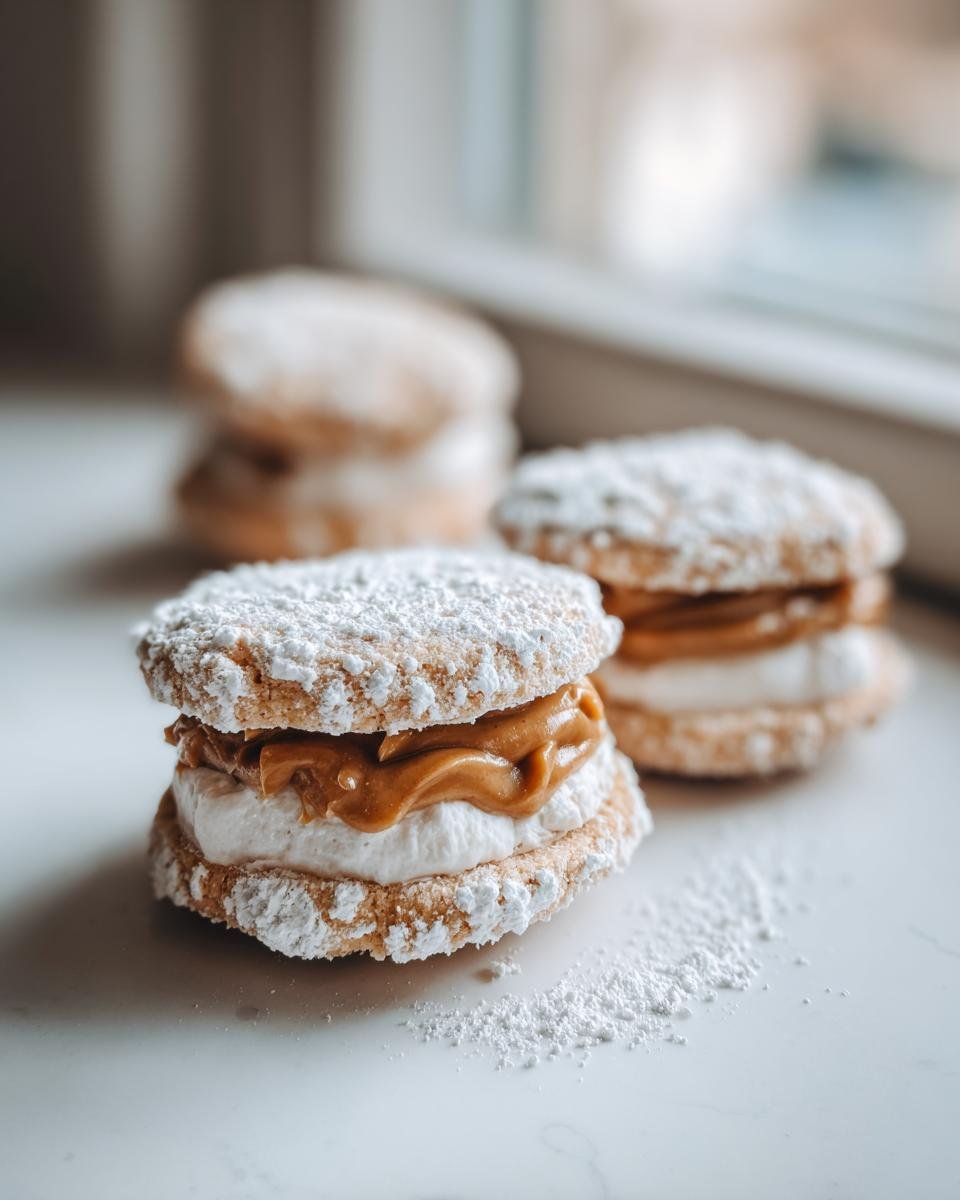
Top it carefully with another cookie to make your little sandwich. Give it a gentle press to help the filling spread a bit toward the edges. Finally, the grand finale: dust them all over with powdered sugar. You want a good, thick, snowy blanket over the top of each assembled Andalusian Alfajores. Perfection achieved!
Tips for Making the Best Andalusian Alfajores
Even though the recipe looks straightforward, there are a few little tricks I’ve learned over the years of baking these Spanish cookies that really take them from “good” to a show-stopping level. You want that perfect crumb that crumbles just right when you bite down, right? These tiny adjustments make all the difference, I swear.
First up, let’s talk about the flour. This is something my aunt insisted on when I was first struggling to get the right texture. If you have an extra 10 minutes, lightly toast your dry ingredients—especially the flour—in a dry skillet over medium heat until it smells slightly nutty. Let it cool completely before using it! It sounds weird, but it deepens the flavor so much; it sort of enhances that inherent shortbread taste. It’s one of those subtle moves that your guests won’t know why it tastes so much better, but they’ll notice!
Secondly, since these cookies are so delicate, the dough consistency matters a lot, especially if your kitchen runs warm. If you chill the dough for 30 minutes (which you must do!) and bring it out and it still feels too soft to roll without sticking, don’t panic and add more flour—that’s how you get tough cookies. Instead, dust your countertop lightly, but also just pop the whole wrapped dough back into the fridge for another 10 minutes. Patience pays off tenfold here.
My third essential tip involves the final dusting. Don’t just sprinkle the powdered sugar on top. For that authentic look and bakery feel, you want to assemble the alfajores first (cookie, dulce de leche, cookie), and *then* dust the entire assembled sandwich generously. I often use a fine-mesh sieve held high above the cookies to let the sugar drift down evenly. It gives them that beautiful, soft finish.
And finally, if you’re aiming for that classic, deep flavor that only comes from spice and caramel aged together, make these a day ahead! Like many shortbreads, the sweetness mellows and the cinnamon flavor really blooms after a night in an airtight container. It’s a great cookie to knock out the day before a party. If you want to get really advanced with handling delicate doughs in general, there are some great pointers over here on general baking tips to make you a better baker that might inspire you for your next project!
Ingredient Notes and Substitutions for Andalusian Alfajores
Let’s be real—sometimes you might be missing one tiny thing, or you just want to know if you can tweak this recipe just a little bit. While I champion sticking to the classic ingredients for these Andalusian Alfajores because they create that authentic Spanish cookie flavor, I totally get needing a backup plan sometimes. I’ve definitely been in a pinch!
The biggest hurdle people sometimes hit is the filling. Look, if you absolutely cannot find dulce de leche, you are in a tough spot. It truly is the soul of this recipe. Trying to substitute it with regular caramel sauce usually ends up being too thin or too aggressively flavored, and it doesn’t have that cooked-milk depth. If I had nothing else, I’d try to make a quick, thick stovetop caramel and simmer it for ages until it starts to look opaque, but honestly, hunting down a jar of good dulce de leche is worth the effort.
Now, for the spices: cinnamon is key. We used standard ground cinnamon, but if you happen to have high-quality Vietnamese or Ceylon cinnamon on hand? Go for it! The flavor will be warmer and less aggressive, which is lovely against the lemon zest. Please, please do not substitute the lemon zest with imitation flavor—it tastes chemically and ruins the brightness these cookies need.
What if you ran out of whole wheat flour and thought you could use something else? Nope! Hold off on this recipe until you can get the all-purpose flour. This is a shortbread base, and these cookies need that exact protein structure to crumble perfectly. Messing with the flour type here changes the tenderness too much. If you’re looking into how to swap other baking staples, you might get some ideas checking out these buttermilk substitutions even though we aren’t using any here; it shows you how important ingredient structure is!
For the egg yolk, if by some miracle you only have egg whites left, don’t try to substitute the yolk 1:1 with a whole egg. You need that fat content from the yolk to keep the dough tender and prevent it from spreading too much in the oven. If you must, maybe use a little extra butter, but honestly, just hold off baking until you have an egg or two around. These Andalusian Alfajores are worth the wait!
Storage and Make-Ahead Tips for Andalusian Alfajores
Listen, the hardest part about baking authentic Spanish cookies like these Andalusian Alfajores is waiting for them to cool down enough to assemble! Good news: these are fantastic make-ahead treats. In fact, I think they absolutely need a day to rest for the spices to really settle in with that dulce de leche filling.
Once you’ve dusted them generously with powdered sugar and they are fully assembled—don’t wait to taste one though, just have a little nibble now and then!—you need to store them correctly. They really don’t like humidity, so skip the fridge unless your house is tropical. I find the best spot is a cool, dry pantry or cupboard.
Keep them tucked away in a single layer inside a really good airtight container. If you stack them high, the powdered sugar from the top layer might get disturbed, and you definitely don’t want that gorgeous snowdrift ruined! If you have a lot, layer them with a small piece of wax paper between the tiers—that’s my trick to keep things neat.
The flavor really deepens overnight; the cinnamon starts hugging the caramel by morning, and it’s just divine! I find they are at their absolute peak on day two. They stay perfectly delicious at room temperature for about three or four days, as long as the container is truly sealed. If you need to squirrel some away for a long time, yes, they freeze beautifully! Pop the finished, dusted cookies into a freezer-safe bag, get out as much air as you can, and they should be great for up to a month. Just let them thaw on the counter for an hour before that final taste test!
Serving Suggestions for Your Spanish Cookies
You’ve done it! You’ve made perfect Andalusian Alfajores. Now comes the fun part: deciding how to enjoy this treasure! Honestly, sometimes I just grab one straight from the cooling rack before the sugar dusting is even fully set (don’t tell anyone). But for sharing, these Spanish cookies really shine when paired with the right beverage.
Pairing with Coffee or Tea
These are absolutely a daytime treat, in my book. The buttery shortbread and rich dulce de leche are absolutely crying out for a strong, slightly bitter contrast. A dark roast coffee is just heavenly here. If you are more of a tea drinker, go for something robust like a strong Earl Grey or even a dark Oolong—something that stands up to the sweetness without being totally overpowered. If you happen to enjoy coffee and cake together, you might want to bookmark this simple coffee cake recipe for later, but for now, keep the focus on that caramel center!
An Afternoon Treat Pairing
When I serve these in the afternoon, I often put out a little platter with some fresh fruit on the side. A few slices of mandarin orange or maybe some fresh raspberries cuts the richness beautifully. It’s not traditional everywhere, but I love the little burst of clean, tart flavor next to the dense cookie.

A Dessert Wine Finish
If you find yourself having these after dinner, which is perfectly acceptable for such a decadent little bite, you need a dessert wine that complements the caramel notes. Think about a Spanish sherry, like an older Oloroso or maybe even a slightly sweet Pedro Ximénez (PX). The nutty, raisiny notes in those sherries pair shockingly well with the cinnamon and cooked milk flavor of the filling. It turns a simple cookie into a truly grown-up dessert experience, doesn’t it?
Frequently Asked Questions About Andalusian Alfajores
I totally get it; once you bake something new, you always end up with a few nagging little questions! These questions are usually about making sure your precious shortbread doesn’t turn into a crumbly mess or how to handle that beautiful filling. Here are the things I hear most often about these wonderful Spanish cookies.
Can I use store-bought dulce de leche for Andalusian Alfajores?
Oh yes, absolutely! For convenience, store-bought dulce de leche is totally fine and makes these Andalusian Alfajores come together so much faster. When I make them on a busy weekday, I always reach for a good jarred brand. Just make sure, as I mentioned before, that it’s very thick. If it seems too runny, I strongly suggest using the microwave trick—just gentle heating until it’s easily spreadable, but not hot. True authenticity comes from homemade, of course, but don’t let not having homemade stop you from enjoying these delicious shortbread treats!
Why are my Andalusian Alfajores crumbling?
Don’t let this happen! When these cookies crumble too much, it usually points to one of two things: either the dough wasn’t chilled long enough, or you overworked the dough when mixing the flour in. If the dough is too warm, the high butter content melts before it hits the heat, and the structure collapses. Make sure you chill that dough seriously for 30 minutes, and—this is key—when combining the wet and dry ingredients, you must stop mixing the second you stop seeing flour streaks. Tough love for the dough keeps the shortbread tender but stable enough to hold that luscious dulce de leche!
What is the difference between these and other alfajores?
That is such a fun question because there are so many variations around the world! While most countries have a version of alfajores—often using cornstarch instead of all-purpose flour, making them famously short and delicate—the Andalusian Alfajores are distinctly Spanish in their flavor profile. We lean heavily on **cinnamon** and that bright, fresh **lemon zest** in the shortbread dough itself. Many Latin American versions often focus more on coconut or don’t feature the citrus as prominently. Our Spanish version is a little firmer in texture than a super-delicate cornstarch one, making it the perfect sturdy, flavorful vehicle for that gooey caramel filling.
Share Your Andalusian Alfajores Creations
Well, that’s it! You have officially mastered the magic of authentic Andalusian Alfajores. I really hope you enjoyed the process as much as I do every single time I pull a batch out of the oven. They are such a lovely, buttery taste of Spain, aren’t they?
Now that you have these delicious Spanish cookies ready to eat, I absolutely want to hear about it! Did the lemon zest really surprise you? Did your dulce de leche filling cooperate, or were you fighting with it a little bit? Please don’t be shy—come right back here and drop a comment below with your rating and any little tweaks you might have tried!
And listen, if you took a picture—and I know you did because these are gorgeous with that dusting of powdered sugar—please tag me on social media! Seeing my genuine recipes showing up in your homes, smelling like cinnamon and butter, that’s the whole reason I share these secrets. If you ever have a question while you’re baking or want to know about a substitution that wasn’t covered here, you know where to find me. Send me a note through the contact page anytime!
Happy baking, my friend. I hope these shortbread delights bring as much sunshine to your table as they do to mine!
Print
Andalusian Alfajores
- Total Time: 42 min
- Yield: About 20 cookies 1x
- Diet: Vegetarian
Description
A recipe for traditional Spanish shortbread cookies filled with dulce de leche.
Ingredients
- 225 g all-purpose flour
- 115 g unsalted butter, softened
- 100 g granulated sugar
- 1 large egg yolk
- Zest of 1 lemon
- 1 teaspoon ground cinnamon
- 1/2 teaspoon baking soda
- Pinch of salt
- 200 g dulce de leche
- Powdered sugar for dusting
Instructions
- Beat the softened butter and sugar together until light and fluffy.
- Mix in the egg yolk and lemon zest.
- In a separate bowl, whisk together the flour, cinnamon, baking soda, and salt.
- Gradually add the dry ingredients to the wet ingredients, mixing until just combined to form a dough. Do not overmix.
- Wrap the dough in plastic wrap and chill for at least 30 minutes.
- Preheat your oven to 175 C (350 F). Line baking sheets with parchment paper.
- Roll the chilled dough out to about 5 mm thickness. Use a round cookie cutter (about 5 cm diameter) to cut out shapes.
- Place the cutouts on the prepared baking sheets.
- Bake for 10 to 12 minutes, or until the edges are lightly golden. Let the cookies cool completely on the baking sheet.
- Once cool, spread a layer of dulce de leche on the flat side of one cookie and top with another cookie to form a sandwich.
- Dust the assembled alfajores generously with powdered sugar.
Notes
- For a richer flavor, toast the flour lightly before using it in the recipe.
- If the dough is too sticky after chilling, lightly dust your work surface with flour.
- Store finished alfajores in an airtight container at room temperature.
- Prep Time: 30 min
- Cook Time: 12 min
- Category: Dessert
- Method: Baking
- Cuisine: Spanish
Nutrition
- Serving Size: 1 cookie
- Calories: 200
- Sugar: 18
- Sodium: 50
- Fat: 11
- Saturated Fat: 7
- Unsaturated Fat: 4
- Trans Fat: 0
- Carbohydrates: 24
- Fiber: 1
- Protein: 3
- Cholesterol: 40
Keywords: Andalusian Alfajores, Spanish cookies, dulce de leche, shortbread, cinnamon cookies