
There is nothing in this world like a meal cooked low and slow until it practically melts under the pressure of a fork. Forget fussy weeknight dinners; we’re talking about true comfort food that makes an ordinary Sunday feel like a major celebration. That’s exactly what you get when you make this spectacular Wine Braised Lamb Shank recipe. Honestly, it sounds fancy, right? But trust me, once you’ve browned the meat and set it in the oven, your main job is just waiting for that incredible aroma to fill your entire house!
I first made these for my anniversary dinner a few years ago because I wanted something impressive without being chained to the stove all evening. The lamb was so unbelievably tender—it slid right off the bone! That deep, rich red wine sauce is just magic. It’s my go-to dish when I want to show someone I genuinely care about them. You absolutely have to try this; it is pure soul food disguised as a fancy main course.

Gathering Ingredients for Your Wine Braised Lamb Shank
Okay, let’s talk about what you need to gather. Making great wine braised lamb shank really starts with respecting the simple, fresh stuff. We aren’t making anything complicated here, just relying on quality basics doing their job for a few hours. You’ll need about four servings worth, so grab four big shanks. Don’t skimp on the veggies needed for the base flavor either!
Having all your prep done before that wine hits the pan makes the whole process so much less stressful. You’ll want adequate salt and pepper too, because these shanks need a good crust!
Key Components for the Wine Braised Lamb Shank
Here is the list—make sure you check everything off:
- Four lovely lamb shanks.
- Two tablespoons of olive oil—just the standard stuff is fine.
- One large onion, chopped up nice and chunky.
- Two carrots, also chopped.
- Two celery stalks, chopped.
- Four cloves of garlic, minced—this is important for fragrance!
- And the star, a full bottle (that’s 750ml) of dry red wine. Please, don’t use “cooking wine.” Just use a nice dry red you wouldn’t mind sipping. It makes all the difference in your final Wine Braised Lamb Shank!
- Four cups of beef broth.
- Two small, beautiful sprigs of fresh rosemary.
- Four sprigs of fresh thyme.
- Two bay leaves for depth.
- Salt and black pepper, of course, until you taste what you need.
If you’re running low on broth, or if you need ideas on quick pantry swaps for other things, sometimes checking out guides on substitutions can be handy. Just click right here when you’re done shopping!
Essential Equipment for Perfect Wine Braised Lamb Shank
You don’t need a million fancy gadgets for this braise, honestly. The most important piece of gear you own needs to be your heavy-duty Dutch oven. Seriously, nothing beats it!
You will need:
- A large Dutch oven—this holds the heat perfectly for that long, slow cook.
- A cutting board and your sharpest knife for chopping all those wonderful vegetables.
- Tongs for turning those heavy shanks when you’re searing them up.
Just these few things are enough to whip up the best Wine Braised Lamb Shank you’ve ever had. Simplicity wins when the cooking time is this long!
Step-by-Step Instructions for Wine Braised Lamb Shank
Alright, this is where the real magic happens, and it’s so much easier than you think. The Dutch oven is going to be your best friend here. Remember, good slow cooking is all about layering flavors, so don’t rush the initial steps! If you’ve got a great base knowledge of baking already, you’ll find that the patience required here is very similar:
If you ever want to brush up on general kitchen patience concepts, I found some helpful baking tips right here, though this is savory!
Searing the Lamb and Building the Flavor Base
First things first, you need to season those shanks like you mean it—plenty of salt and black pepper all over. Heat your olive oil in that Dutch oven over medium-high heat until it shimmers a bit. Now, brown those shanks well on every single side. We are building a deep, dark foundation of flavor here! Once they’ve got some nice color, pull them out and set them aside for a minute.
Toss in your chopped onion, carrots, and celery—that classic base. Let them soften up, maybe five to seven minutes, until they look a little sleepy. Add your minced garlic last; we only want that fragrant for about a minute so it doesn’t burn. Now, dump in the whole bottle of red wine! You must scrape up all those little browned bits stuck to the bottom—that’s pure gold flavor. Let it bubble away until the liquid reduces by about a third.
The Slow Braise: Achieving Tender Wine Braised Lamb Shank
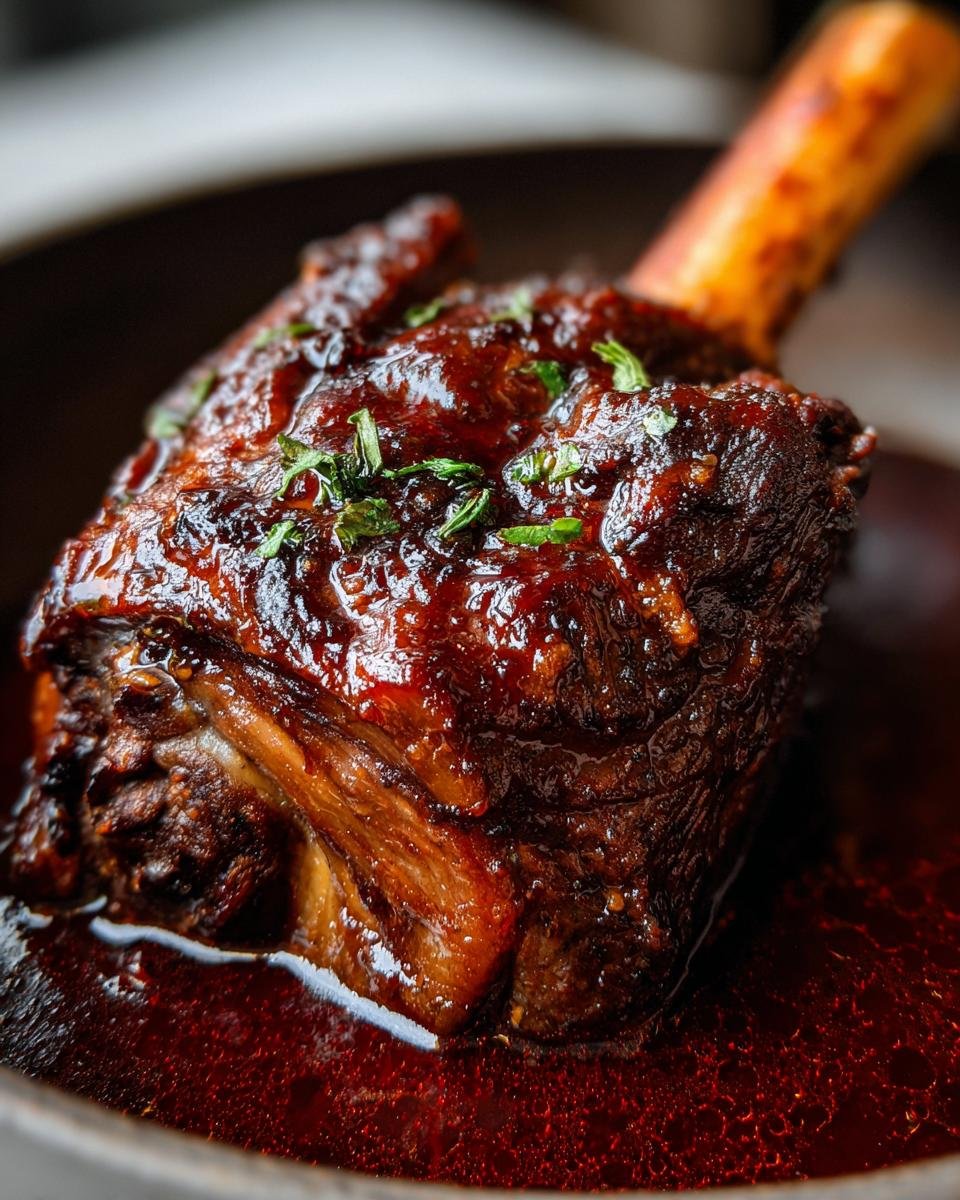
Time to bring everything home! Put those browned lamb shanks right back into the pot, nestled down in that delicious wine reduction. Pour in the beef broth, making sure the liquid mostly covers the meat. Toss in your rosemary, thyme, and bay leaves. Bring the whole thing up to a gentle simmer right there on the stovetop—no violent boiling allowed!
Cover that Dutch oven tight, and gently move it into your oven, which should be preheated to 325°F (160°C). Now, walk away! You need to braise these beauties for a solid 3 to 4 hours. This long, slow cook is what guarantees that fall-off-the-bone result you dream about in a Wine Braised Lamb Shank!
Finishing the Sauce and Serving the Wine Braised Lamb Shank
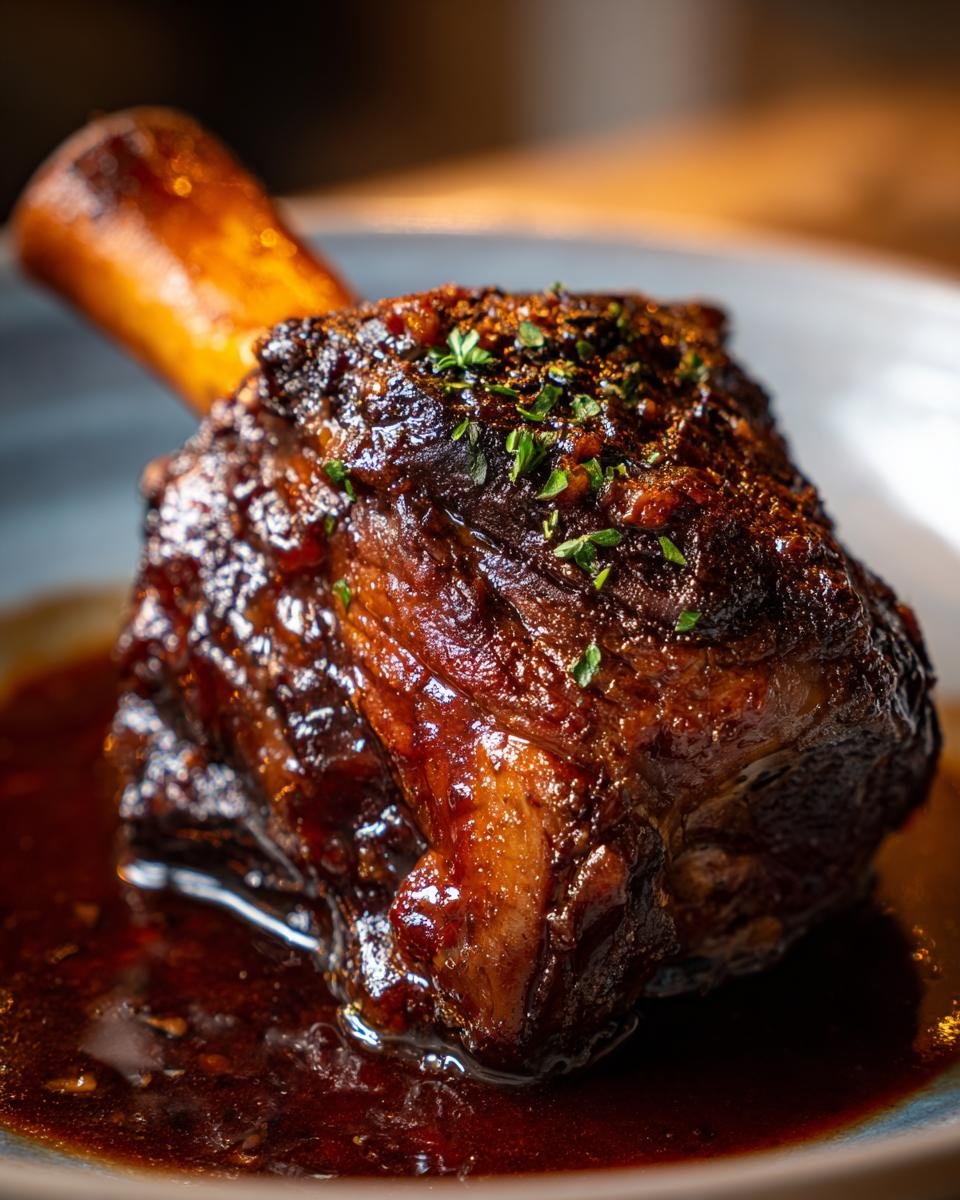
When the meat is so tender it’s basically vibrating off the bone, you’re done with the oven time. Carefully remove the shanks and keep them warm somewhere cozy, maybe under a loose piece of foil.
Now, look at that sauce! Skim off any excess fat floating on top—we want richness, not oil slicks! Give the sauce a quick taste and adjust your salt and pepper if you think it needs a little kick. That deeply reduced liquid is your payoff. Ladle that incredible sauce right over your shanks when you serve them up. Perfection!
Tips for the Most Flavorful Wine Braised Lamb Shank
If you want to take your Wine Braised Lamb Shank from “really good” to “call the neighbors good,” you need a couple of pro moves up your sleeve. These tips are small but they make a huge difference in that final presentation and taste.
First, the wine reduction step I mentioned earlier? That’s non-negotiable. You absolutely have to cook that wine down until it thickens slightly before adding the broth. That cooks off the harsh alcohol and concentrates the beautiful grape flavor. If you skip that, the final sauce tastes watered down, and we don’t want that, do we?
Also, make sure the liquid covers at least 75% of the meat once you’ve added the broth. If the top inch of the shank is dry for four hours, it’s going to dry out and get tough while the bottom melts. If your Dutch oven isn’t deep enough, just flip the shanks halfway through the braising time—say, after two hours—to keep them evenly moist.
Finally, let the meat rest! When you pull those shanks out, let them sit on a plate, loosely covered, for about 15 minutes while you finish screaming at your sauce on the stovetop. This lets the muscle fibers relax and reabsorb some of those amazing juices. It makes carving (or just falling apart) much easier!
Ingredient Notes and Substitutions for Your Wine Braised Lamb Shank
I know sometimes you open up the recipe and realize you’re one ingredient short, and that sends you into a panic! Don’t you dare run to the store for one small thing. We can usually work around it in home cooking, especially if we are cooking something rustic like this braise.
The main substitution everyone asks about is the broth. The recipe calls for beef broth because it has that deep, savory base that stands up to the red wine. If you only have chicken broth, go ahead and use it! It will work just fine, though the final gravy might taste slightly lighter. Don’t use water, though—that’s where you lose all the depth!
Now, let’s talk wine selection for your Wine Braised Lamb Shank. You really want a dry red. Think Cabernet Sauvignon, Merlot, or even a good Chianti. The key is *dry*. If the wine you pick tastes sweet while you’re tasting it during the reduction, it will make your sauce sickly sweet later on. If you can’t find a dry red, then swap that wine element out entirely and use extra beef broth with a tablespoon of balsamic vinegar added later for that necessary acidity. For more general swaps, I mentioned checking substitutions before, and you can see a helpful guide here if you need dairy ideas for serving!
Serving Suggestions for Wine Braised Lamb Shank
This dish is rich, dark, and deep, so you need something on the side that can really soak up all that incredible wine gravy without competing with it. This isn’t a light meal, so we go for comforting sides!
My absolute favorite way to serve these shanks is over something creamy and soft. Think creamy, buttery mashed potatoes—nothing beats cutting into meat that tender and letting the sauce pool around the spuds. If you’re feeling fancy, some polenta works beautifully too, absorbing the sauce gorgeously.
For a touch of green so you don’t feel *too* guilty, you can serve a side salad, but make it simple. Something tangy to cut through the richness! If you want a truly elegant pairing that still keeps things relatively simple, I love serving it with roasted root vegetables. You can find a great salad idea right here if you feel like having something lighter alongside the starch!
Storage and Reheating Instructions for Leftover Wine Braised Lamb Shank
If you have any leftovers from this behemoth of a meal—and I sincerely hope you do—don’t stress about reheating. Braised dishes reheat even better the next day because those flavors have time to marry overnight in the fridge!
For storage, let the shanks and the sauce cool down completely first. Then, seal them up in an airtight container. They’ll keep perfectly well in the refrigerator for three to four days. I actually think they taste better on day two!
To reheat, the oven is always the gentle way to go if you have time. Put the shanks and sauce in an oven-safe dish, cover it tightly with foil, and heat at about 300°F (150°C) for 20 to 30 minutes until piping hot all the way through. If you are in a rush, the microwave works, but just reheat the shanks separately from the sauce, and then pour the hot sauce over them before serving. That prevents the meat from getting rubbery in the microwave blast!
Frequently Asked Questions About Making Wine Braised Lamb Shank
Can I use a different cut of meat instead of lamb shanks?
You totally can! If you don’t have shanks or just prefer beef, beef short ribs are a fantastic substitute. They take a little longer sometimes, but the principle is the same. Pork shoulder works great too, though the resulting sauce flavor will shift a bit, leaning less rich.
What is the best way to thicken the sauce for the Wine Braised Lamb Shank?
My notes suggest simmering the sauce after removing the meat until it reduces, which concentrates the flavor naturally. If it’s still too thin after reducing for 10 minutes, just mix a teaspoon of cornstarch with a tablespoon of cold water, make a slurry, and whisk it into your simmering sauce until it thickens up nicely. Be careful not to add too much!
What wine temperature should I use when deglazing?
Honestly, the temperature doesn’t matter too much when you pour the wine in, as it’s going to get hot and boil right away when you scrape the bottom! Make sure the wine is room temperature or slightly cool, just so it doesn’t shock the hot pot too much, but don’t worry about chilling it or heating it up beforehand.
Nutritional Estimates for This Rich Dish
Because this is a slow-cooked dish featuring lean protein and healthy fats from the olive oil, the nutrition profile is surprisingly decent for such a decadent meal. It’s high in protein, which keeps you full for ages!
Keep in mind these are just estimates for one shank with the sauce, and they will change based on how much sauce you pour on your plate and the specific type of wine you choose. It’s always good to see the breakdown though!
- Serving Size: 1 shank with sauce
- Calories: 550
- Fat: 25g (with 9g Saturated Fat)
- Protein: 65g
- Carbohydrates: 15g
This estimate doesn’t account for the starches you serve it over, of course! If you’re mashing potatoes, add those numbers in separately. It’s just good practice to keep track of what’s in the main event!
Tips for the Most Flavorful Wine Braised Lamb Shank
If you want to take your Wine Braised Lamb Shank from “really good” to “call the neighbors good,” you need a couple of pro moves up your sleeve. These tips are small but they make a huge difference in that final presentation and taste.
First, the wine reduction step I mentioned earlier? That’s non-negotiable. You absolutely have to cook that wine down until it thickens slightly before adding the broth. That cooks off the harsh alcohol and concentrates the beautiful grape flavor. If you skip that, the final sauce tastes watered down, and we don’t want that, do we?
Also, make sure the liquid covers at least 75% of the meat once you’ve added the broth. If the top inch of the shank is dry for four hours, it’s going to dry out and get tough while the bottom melts. If your Dutch oven isn’t deep enough, just flip the shanks halfway through the braising time—say, after two hours—to keep them evenly moist.
Finally, let the meat rest! When you pull those shanks out, let them sit on a plate, loosely covered, for about 15 minutes while you finish finishing your sauce on the stovetop. This lets the muscle fibers relax and reabsorb some of those amazing juices. It makes carving (or just falling apart) much easier!
Ingredient Notes and Substitutions for Your Wine Braised Lamb Shank
I know sometimes you open up the recipe and realize you’re one ingredient short, and that sends you into a panic! Don’t you dare run to the store for one small thing. We can usually work around it in home cooking, especially if we are cooking something rustic like this braise.
The main substitution everyone asks about is the broth. The recipe calls for beef broth because it has that deep, savory base that stands up to the red wine. If you only have chicken broth, go ahead and use it! It will work just fine, though the final gravy might taste slightly lighter. Don’t use water, though—that’s where you lose all the depth!
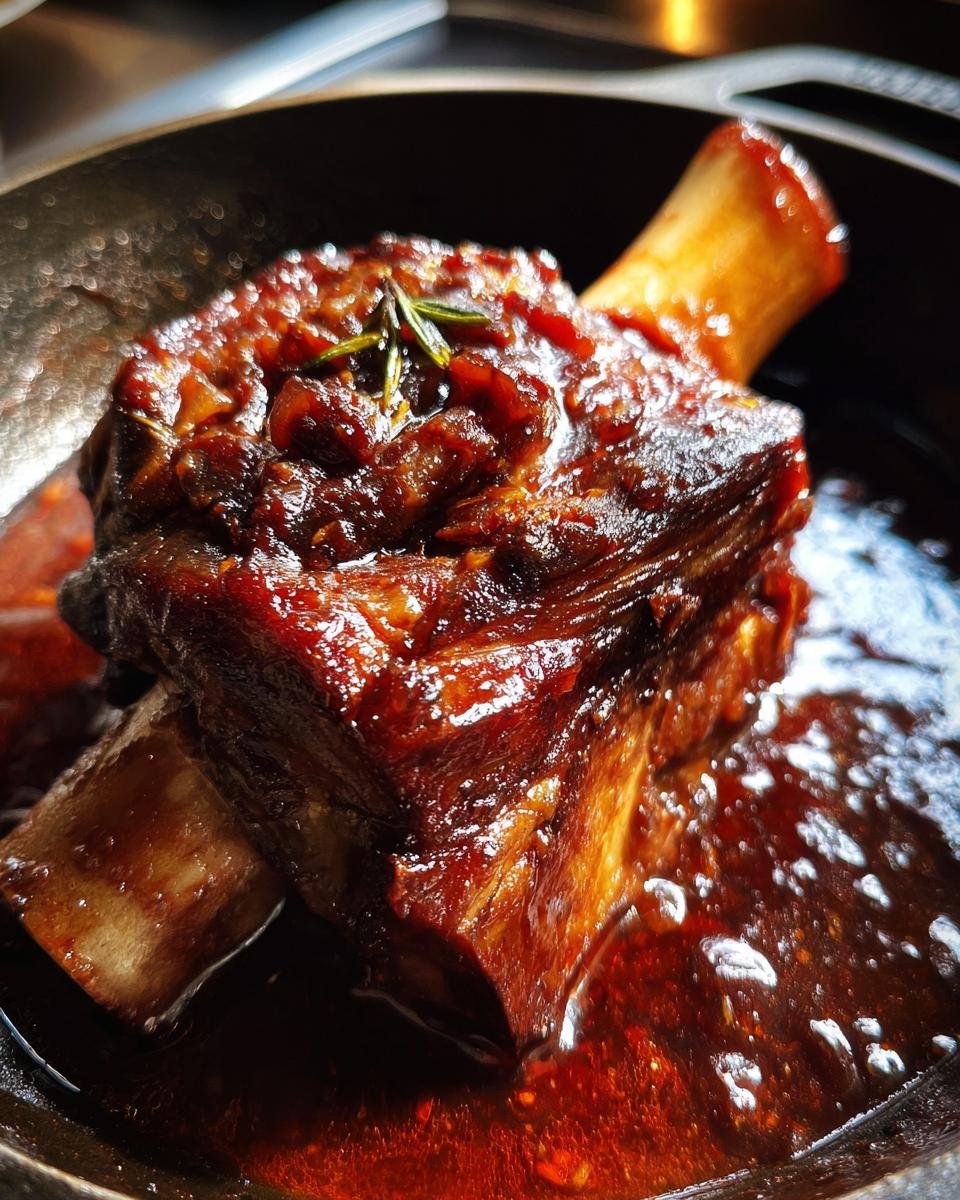
Now, let’s talk wine selection for your Wine Braised Lamb Shank. You really want a dry red. Think Cabernet Sauvignon, Merlot, or even a good Chianti. The key is *dry*. If the wine you pick tastes sweet while you’re tasting it during the reduction, it will make your sauce sickly sweet later on. If you can’t find a dry red, then swap that wine element out entirely and use extra beef broth with a tablespoon of balsamic vinegar added later for that necessary acidity. For more general swaps, I mentioned checking substitutions before, and you can see a helpful guide here if you need dairy ideas for serving!
Serving Suggestions for Wine Braised Lamb Shank
This dish is rich, dark, and deep, so you need something on the side that can really soak up all that incredible wine gravy without competing with it. This isn’t a light meal, so we go for comforting sides!
My absolute favorite way to serve these shanks is over something creamy and soft. Think creamy, buttery mashed potatoes—nothing beats cutting into meat that tender and letting the sauce pool around the spuds. If you’re feeling fancy, some polenta works beautifully too, absorbing the sauce gorgeously.
For a touch of green so you don’t feel *too* guilty, you can serve a side salad, but make it simple. Something tangy to cut through the richness! If you want a truly elegant pairing that still keeps things relatively simple within the meal, I love serving it with roasted root vegetables. You can find a great light salad idea right here if you feel like having something lighter alongside the starch!
Storage and Reheating Instructions for Leftover Wine Braised Lamb Shank
If you have any leftovers from this behemoth of a meal—and I sincerely hope you do—don’t stress about reheating. Braised dishes reheat even better the next day because those flavors have time to marry overnight in the fridge!
For storage, let the shanks and the sauce cool down completely first. Then, seal them up in an airtight container. They’ll keep perfectly well in the refrigerator for three to four days. I actually think they taste better on day two!
To reheat, the oven is always the gentle way to go if you have time. Put the shanks and sauce in an oven-safe dish, cover it tightly with foil, and heat at about 300°F (150°C) for 20 to 30 minutes until piping hot all the way through. If you are in a rush, the microwave works, but just reheat the shanks separately from the sauce, and then pour the hot sauce over them before serving. That prevents the meat from getting rubbery in the microwave blast!
Frequently Asked Questions About Making Wine Braised Lamb Shank
Whenever I pull this recipe out, I always seem to get the same few questions from friends who are intimidated by the long cook time. Don’t be! Braising is incredibly forgiving, but these little tips might just help you achieve that legendary lamb shank tenderness everyone talks about.
Can I use a different cut of meat instead of lamb shanks?
You totally can! If you don’t have shanks or maybe just prefer beef, beef short ribs are an amazing substitute here. They hold up beautifully to the same amount of wine and time. Just know that beef has a slightly different makeup, so the resulting flavor profile will be chunkier and more beef-forward, obviously. Pork shoulder works great too, though the resulting sauce flavor will shift a bit, leaning less rich and slightly sweeter.
What is the best way to thicken the sauce for the Wine Braised Lamb Shank?
My favorite, and the most natural way, is simply to simmer it down after you pull the meat out, as mentioned in the steps. That concentrates all that savory flavor. If you’re really pressed for time, or the sauce just won’t cooperate, make a slurry! Just mix about one teaspoon of cornstarch with one tablespoon of cold water—make sure it’s totally smooth and no lumps!—then whisk it slowly into your simmering sauce. It will thicken up almost instantly. Be careful not to add too much or you’ll turn your gorgeous braising liquid into jelly!
What’s the best wine for braising shank meat?
This often comes up! You want a dry red, period. Using a cheap, fruity wine means you’ll end up with a sweet mess. Stick to something robust like a Cabernet, Merlot, or even a decent Chianti if you want that Italian touch. If you’re ever unsure about which bottle to grab, look for something labeled “dry” or avoid anything that tastes sweet when you sample it. If you need to brush up on general baking (since we use similar principles for flavor building), you can always check out these baking tips here while the shanks are in the oven!
Nutritional Estimates for This Rich Dish
Because this is a slow-cooked dish featuring lean protein and healthy fats from the olive oil, the nutrition profile is surprisingly decent for such a decadent meal. It’s high in protein, which keeps you full for ages!
Keep in mind these are just estimates for one shank with the sauce, and they will change based on how much sauce you pour on your plate and the specific type of wine you choose. It’s always good to see the breakdown though!
- Serving Size: 1 shank with sauce
- Calories: 550
- Fat: 25g (with 9g Saturated Fat)
- Protein: 65g
- Carbohydrates: 15g
This estimate doesn’t account for the starches you serve it over, of course! If you’re mashing potatoes, add those numbers in separately. It’s just good practice to keep track of what’s in the main event!
Print
Wine Braised Lamb Shank
- Total Time: 260 min
- Yield: 4 servings 1x
- Diet: Low Calorie
Description
Slow-cooked lamb shanks braised in red wine until tender.
Ingredients
- 4 lamb shanks
- 2 tablespoons olive oil
- 1 large onion, chopped
- 2 carrots, chopped
- 2 celery stalks, chopped
- 4 cloves garlic, minced
- 1 bottle (750ml) dry red wine
- 4 cups beef broth
- 2 sprigs fresh rosemary
- 4 sprigs fresh thyme
- 2 bay leaves
- Salt to taste
- Black pepper to taste
Instructions
- Season lamb shanks generously with salt and pepper.
- Heat olive oil in a large Dutch oven over medium-high heat. Brown the lamb shanks on all sides. Remove shanks and set aside.
- Add onion, carrots, and celery to the Dutch oven. Cook until softened, about 5 to 7 minutes.
- Add garlic and cook for 1 minute more until fragrant.
- Pour in the red wine, scraping up any browned bits from the bottom of the pot. Bring to a simmer and cook until the liquid reduces by about one-third.
- Return the lamb shanks to the pot. Add beef broth, rosemary, thyme, and bay leaves. The liquid should mostly cover the shanks.
- Bring the liquid to a gentle simmer on the stovetop.
- Cover the Dutch oven and transfer it to a preheated oven at 325°F (160°C).
- Braise for 3 to 4 hours, or until the lamb is very tender and easily pulls away from the bone.
- Remove the shanks. Skim any excess fat from the sauce. Taste and adjust seasoning. Serve the shanks with the braising liquid.
Notes
- For a thicker sauce, remove the shanks and simmer the liquid on the stovetop until it reaches your desired consistency.
- You can substitute beef broth with chicken broth if needed.
- Prep Time: 20 min
- Cook Time: 240 min
- Category: Main Course
- Method: Braising
- Cuisine: French
Nutrition
- Serving Size: 1 shank with sauce
- Calories: 550
- Sugar: 8
- Sodium: 450
- Fat: 25
- Saturated Fat: 9
- Unsaturated Fat: 16
- Trans Fat: 0
- Carbohydrates: 15
- Fiber: 4
- Protein: 65
- Cholesterol: 180
Keywords: lamb shank, red wine, braised, slow cooked, rosemary, thyme, beef broth