
Sometimes you just need the pure comfort of butter and sugar baked into something perfect, right? Forget fussy layers or complicated steps. I want to tell you about the *best* afternoon I ever spent perfecting this simple Brown Sugar Cake. I’ve been tweaking this recipe for years, making sure it hits that sweet spot of being unbelievably easy but delivering incredible, deep caramel flavor that only brown sugar can give you.
This isn’t a fancy cake, but it’s the one everyone actually asks for at impromptu gatherings. Trust me when I say this straightforward method guarantees you get the most moist, tender crumb every single time. If you want reliable homemade dessert magic without breaking a sweat, this is your new go-to Brown Sugar Cake recipe!
Why This Brown Sugar Cake Recipe Stands Out
Honestly, this recipe is my quiet show-off moment. It takes basic pantry staples and turns them into something that tastes like it took all day. It pulls ahead of standard vanilla cakes because the brown sugar does all the heavy lifting on flavor!
- Deep, toasty caramel notes that granulated sugar just can’t touch.
- It’s fast—prep is genuinely under 20 minutes!
- It’s forgiving if your timing is a little off.
If you want to see how just a few smart ingredient choices can totally transform a simple butter cake, keep reading. If you need a quick refresher on why room temperature ingredients are crucial for baking success, you can always check out my guide on baking tips to make you a better baker.
Unmatched Moisture Content in Your Brown Sugar Cake
The real secret to how moist this Brown Sugar Cake stays, even on day two, comes down to two things: the incredible amount of butter we cream in there, and the buttermilk. That buttermilk adds just the right amount of acid to keep everything tender. It’s the perfect balance of fat and moisture that makes this cake feel rich, not dry.

Simple Mixing Method for a Perfect Brown Sugar Cake
I am not a fan of complicated whipping techniques, and this cake respects that! We rely on the classic creaming method—just beating the butter and brown sugar until it’s light and airy. That simple action traps the air needed for lift, meaning you don’t need fancy equipment or complicated folding techniques. It’s pure, straightforward baking magic!
Gathering Ingredients for Your Brown Sugar Cake
Okay, let’s talk about what you need to pull this simple Brown Sugar Cake together. The beauty here is that you probably have most of this stuff sitting in your pantry right now. But ingredient quality really matters, especially when you’re only using a few core things!
You’ll need a full cup (that’s two sticks!) of butter, one and a half cups of brown sugar, three large eggs, flour, baking soda, a little salt, vanilla, and the hero—buttermilk. Make sure everything is ready to go before you start mixing. It really speeds things up.
Ingredient Notes and Smart Substitutions for Brown Sugar Cake
I always tell folks to let their butter and eggs sit out for about 30 minutes before they touch the mixing bowl. Room temperature eggs cream up so much better with the butter and sugar, making that fluffy base essential for our cake’s texture. If you forget, you can warm the eggs slightly in a bowl of warm (not hot!) water for five minutes—don’t skip this step!
Now, for the brown sugar: the recipe calls for light, but if you want that deep, almost toffee-like flavor, absolutely use dark brown sugar instead. It pumps up the molasses notes beautifully! If you don’t have buttermilk on hand, don’t run to the store! You can easily whip up a substitute using regular milk and a tablespoon of lemon juice or vinegar. For a full rundown on how to make that magical swap, you can check out my notes on buttermilk substitutions. Oh, and sour cream works in a pinch too, ounce for ounce!
Essential Equipment for Baking the Brown Sugar Cake
Before we even think about turning the oven on, let’s make sure your counter is set up for success. Having your tools ready is half the battle when you’re whipping up this Simple Brown Sugar Cake. You don’t need anything wildly fancy, but a few basics will make the process smooth as silk.
First and foremost, you absolutely need a good reliable 9-inch round cake pan. That’s what this recipe is balanced for, so don’t try to squeeze it into an 8-inch; it’ll bake too tall and probably sink!
You’ll also want sturdy mixing bowls. I like one big one for the wet ingredients where we do that crucial creaming step, and a medium one for whisking the dry things together. A good whisk is essential for those dry ingredients so you don’t end up with pockets of soda in your cake!
While you can totally do all the mixing by hand if you’re feeling strong—and Grandma certainly did—I usually rely on my electric hand mixer for creaming the butter and brown sugar. It just gets that mixture fluffier faster. If you prefer the stand mixer, make sure you use the paddle attachment, not the whisk. We want density, not fluffing air into the batter like we would for angel food cake!
Step-by-Step Instructions to Bake a Fluffy Brown Sugar Cake
Alright, get your apron on! Now that we have our lovely ingredients ready, let’s walk through the actual baking process for this Brown Sugar Cake. Seriously, pay attention to the mixing order here, because that’s where the moisture seals itself in. It’s simple, but precision matters!
We aren’t dealing with a complicated technique, but we are dealing with chemistry! If you’re looking for a few quick reminders on how to avoid common baking pitfalls while you’re concentrating, my list of baking tips to make you a better baker is only a click away.
Preparing the Pan and Oven for Your Brown Sugar Cake
First things first, we need that oven heating up to 350°F (175°C). Get it roaring while you work! Next, grab that 9-inch round pan. I take great care here because nothing ruins a good mood faster than a sticking cake. Coat the inside generously with butter or baking spray, then dust it thoroughly with flour. Make sure you bang out all the excess flour so you don’t end up with thick white patches on your crust!
Mixing the Wet and Dry Components of the Brown Sugar Cake Batter
Time for the magic! In your big bowl, cream that softened butter and all that gorgeous brown sugar until it looks light and fluffy—I mean really whipped, like pale honey. Then, eggs go in one by one, beating well after each addition, followed by that splash of vanilla. In a separate bowl, whisk your flour, baking soda, and salt together—this is important for even rising!
Now, we alternate! Add some flour mix, then a bit of buttermilk. Then flour, then the rest of the buttermilk, and finish it off with the last of the flour. The golden rule here? Stop mixing the second they disappear. I really mean it: **Do not overmix**! Overmixing is the enemy of a tender Brown Sugar Cake; it makes it tough. Just mix until you see no more dry streaks.
Baking and Cooling Your Brown Sugar Cake Properly
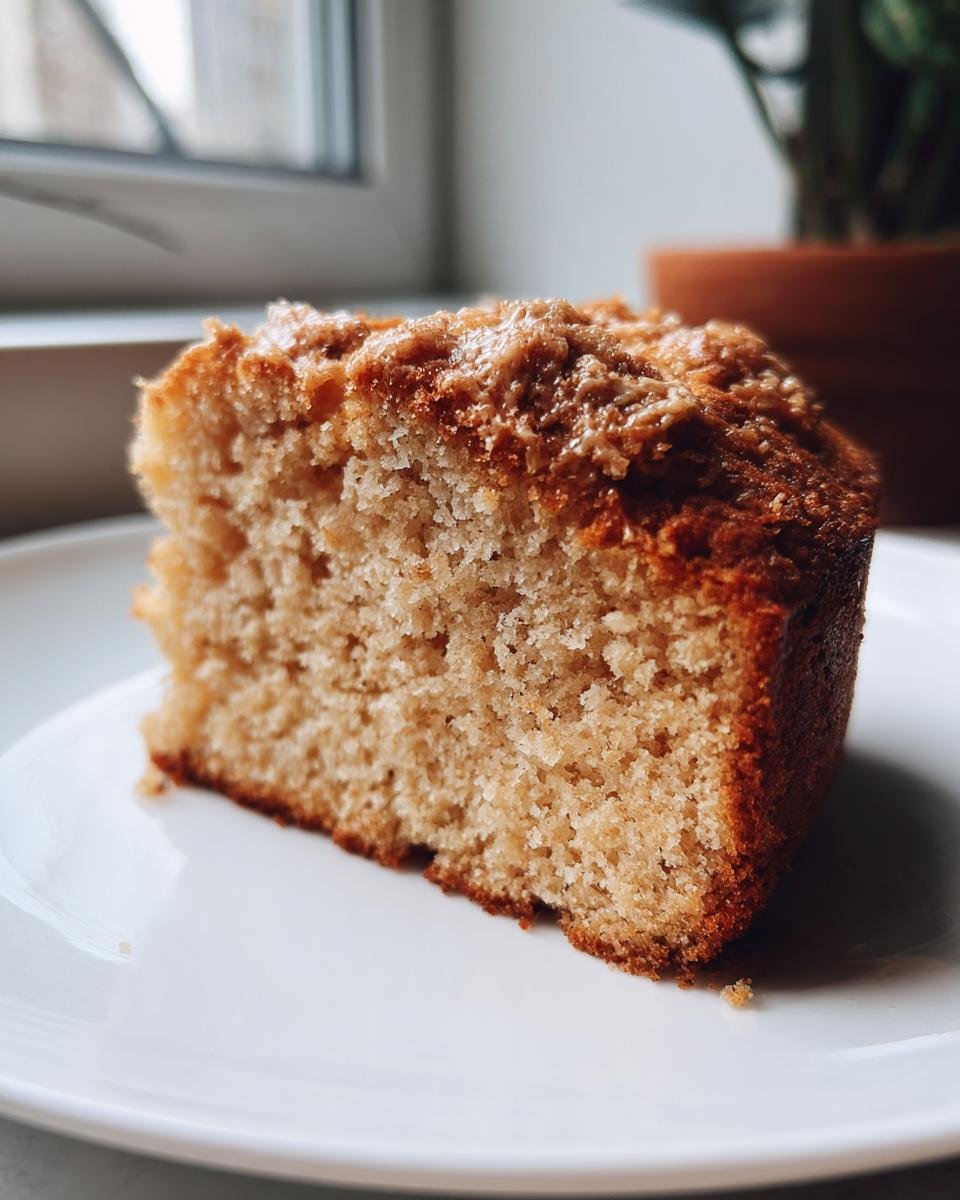
Pour that beautiful batter into your prepared pan and spread it evenly. Bake it for about 30 to 35 minutes at 350°F. You’re looking golden brown and the wooden pick test has to come out clean—no wet batter clinging to it! Let it rest in that hot pan for exactly 10 minutes. This short cool-down period helps the structure set up.
After 10 minutes, carefully put your cooling rack over the top and flip the whole thing over! Let it cool completely inverted on the rack. If you try to rush taking it out too early, it might crumble on you. Patience pays off here!
Tips for Achieving the Best Ever Brown Sugar Cake Texture
I know you followed the steps perfectly, but I want to give you a few extra little secrets I’ve learned over the years to guarantee this Brown Sugar Cake turns out tender and cloud-like every single time. Texture is everything in a butter cake, and it all comes down to temperature and timing.
If you want to take your overall baking game up a notch, a quick review of my general baking tips to make you a better baker can refresh you on these concepts!
First off, let’s revisit temperature: I cannot stress enough how important room temperature butter and eggs are for the initial creaming step. If your butter is too cold, it won’t incorporate the air needed for lift. If it’s too warm and greasy, it just sits there—no air pockets! You want soft, giving butter, not melted butter.
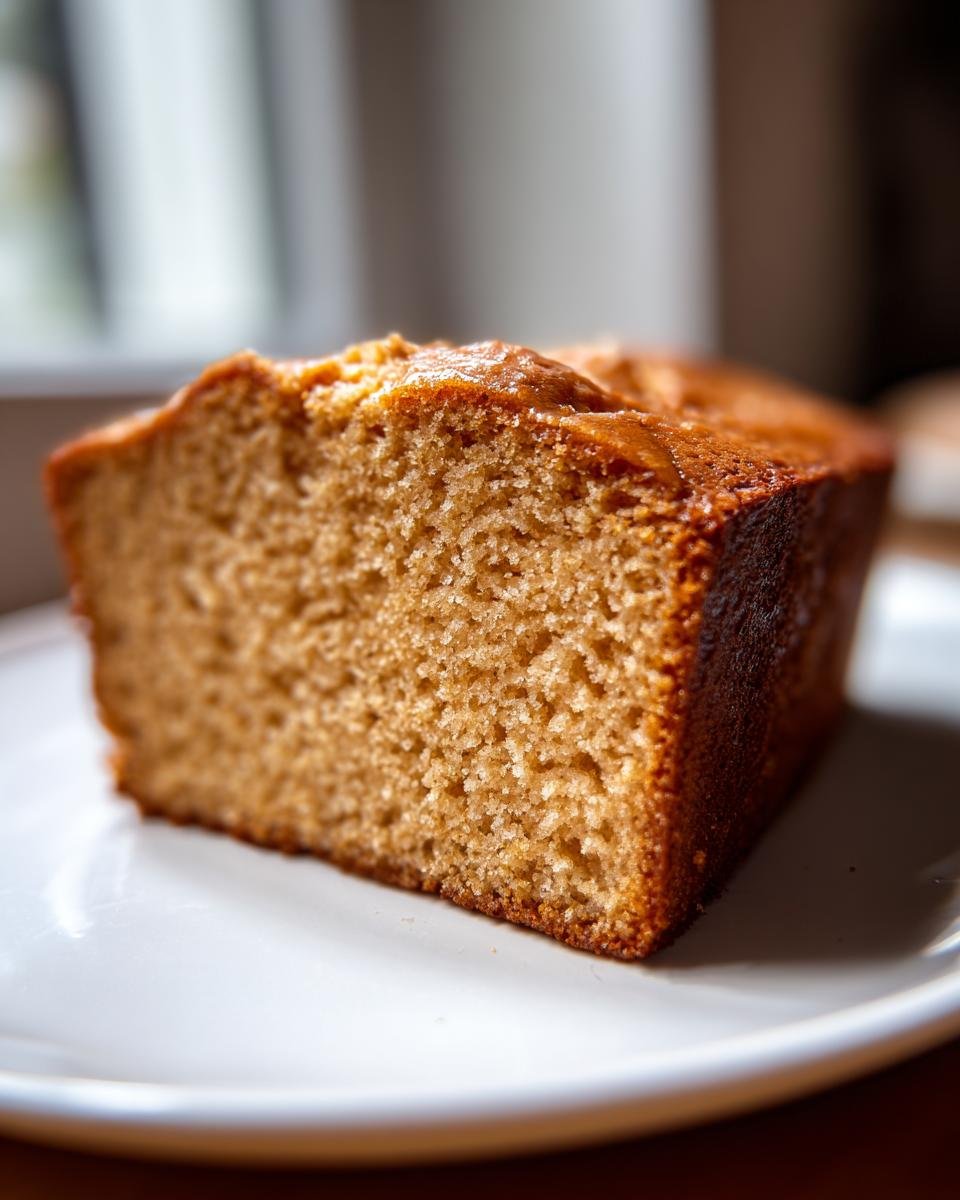
Secondly, the mixing technique during the alternating step is critical. When you alternate the dry ingredients (flour mixture) and the wet ingredients (buttermilk), you are building the structure layer by layer without overdeveloping the flour’s gluten. Gluten tightens things up, and we want softness here!
Make sure you switch to a rubber spatula for the last few folds after you stop using the mixer. Give the bowl a good scrape down completely, making sure to scoop from the bottom where dry pockets love to hide. Fold gently until you see almost no white streaks left. If you see a tiny bit of flour, I promise you, it will vanish during baking, and your cake will thank you for not overworking it!
Serving Suggestions for Your Simple Brown Sugar Cake
Now that you have this perfectly moist, deeply flavorful Brown Sugar Cake staring at you on the cooling rack, the real fun begins: deciding how to serve it! Because this cake has such a lovely, subtle caramel flavor all on its own, heavy frosting isn’t always necessary, but sometimes you just need that little something extra, right?
My favorite way—and the way my mom always did it—is the easiest: a simple, fine dusting of powdered sugar. It looks so elegant, and frankly, it lets that rich brown sugar flavor shine without any competition. It’s perfect for a quick afternoon coffee treat.
If you’re feeling a little more celebratory, a very thin, runny glaze is divine. It just adds a touch more sweetness and a beautiful shine. If you want to try a simple sugary coating, I have an amazing, foolproof recipe for a basic vanilla glaze you can whip up in five minutes—you can find the directions for that easy white frosting right here.
But seriously, don’t forget the classics! This cake pairs absolutely beautifully with:
- A dollop of freshly whipped cream and some seasonal berries—strawberries or raspberries cut through the richness perfectly.
- A scoop of high-quality vanilla bean ice cream. It melts down into the warm crumb slightly, creating its own little sauce!
- If you happen to have some lightly salted caramel sauce lying around (or maybe you made some!), drizzling a tiny bit over the top before serving takes this simple cake right into dessert territory.
No matter how you dress it up, this Brown Sugar Cake is meant to be enjoyed simply and happily with good company!
Storage and Reheating Instructions for Brown Sugar Cake
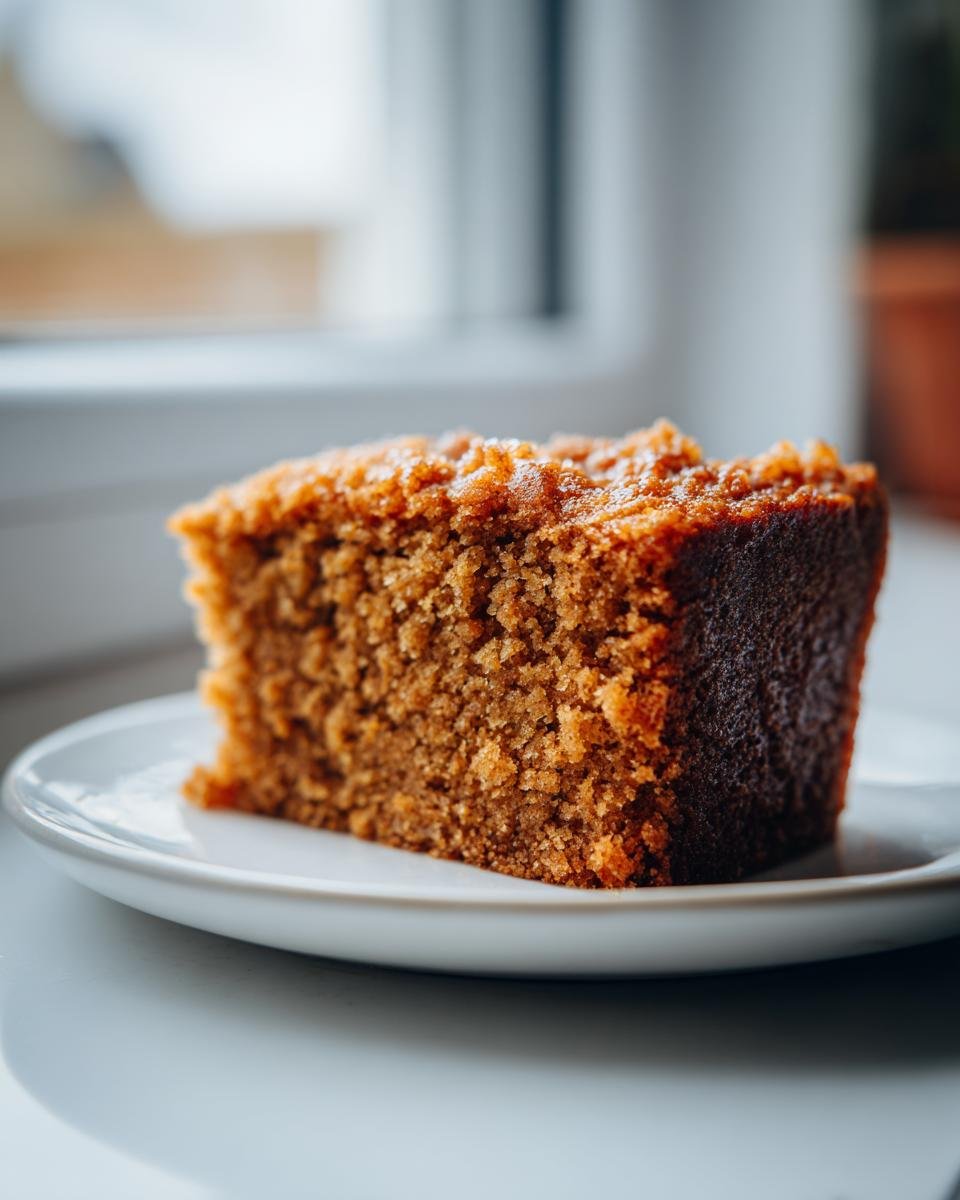
This Brown Sugar Cake is so moist, sometimes you end up with leftovers—lucky you! The good news is that this recipe keeps really well, provided you store it correctly. It’s one of those great cakes that tastes just as good the next day, maybe even better once the flavors have settled down.
The main goal when storing any cake is keeping out excess air, otherwise, that beautiful crumb starts to dry out on you. Don’t worry, it’s super simple!
For storage at room temperature, you want an airtight container. If you baked it in a springform pan, you can leave it in the pan but cover the top tightly with plastic wrap right after it cools completely. If you plan on keeping it on the counter, it should be good for about two days. Because we used buttermilk, it doesn’t need refrigeration unless your kitchen is super hot.
If you know you won’t get to the whole thing in two days, go ahead and use your freezer! Wrap individual slices very tightly first in plastic wrap—I usually do two layers just to be safe—and then tuck those wrapped slices into a freezer-safe bag or container. It keeps beautifully for up to three months. Label it with the date so you don’t forget about your delicious stash!
Reheating Slices to Bring Back That Fresh-Baked Feel
When you pull a slice out of the fridge or freezer and you want it to taste like it just came out of the oven, you need a little warmth and moisture. Never microwave a whole slice; it just turns it rubbery, sadly.
My favorite trick is a tiny bit of steam. Wrap your slice loosely in a slightly damp paper towel. Pop that wrapped slice into the microwave for about 10 to 15 seconds on low power. That damp paper towel creates a perfect little moist environment that warms the butter in the cake.
Alternatively, if you have a toaster oven, you can warm it at a low setting (around 300°F) for just a few minutes. This is gentler than the microwave, but make sure you watch it so the edges don’t get crisp when you’re looking for soft texture!
Frequently Asked Questions About Brown Sugar Cake
I know you’ve read all my secrets now, but sometimes the best way to feel confident is just to ask the little questions that pop into your head while you’re gathering supplies. We’ve covered a lot about making this Brown Sugar Cake simple and moist, but here are a few direct answers to things folks often ask me!
Can I swap out the brown sugar for regular white granulated sugar?
Oh, you absolutely *can*, but I really wouldn’t recommend it if you’re trying to match this recipe exactly! The reason this cake is so beautifully flavorful is the molasses in the brown sugar. White sugar is just pure sweetness, which is fine, but it doesn’t give you that deep, rich, toasty note that makes this cake special. If you swap it out, you’ll end up with a lovely, tender vanilla butter cake, but it won’t have that classic Brown Sugar Cake flavor profile. Stick with the brown for the best results!
Can I use this batter to make a two-layer cake instead of a single round?
Yes, you can! This batter is perfectly suited for layers. If you want to make two nice 8-inch or 9-inch layers, you’ll need to split the batter evenly between two greased and floured pans. Because two thinner layers bake faster than one deep cake, you’ll want to reduce your baking time slightly—start checking them around 25 minutes. Keep an eye on the edges; you’re looking for that clean toothpick test, just like before.
Does the buttermilk really change the flavor of the final cake?
That’s a great question about the buttermilk! The flavor you get isn’t sour or distinctly tangy; it’s incredibly subtle. What the buttermilk really does is react with the baking soda to create a fantastic rise, which contributes hugely to that tender crumb we love so much. It keeps the cake lighter than using only milk. If you are worried about it, remember you can always use my suggestion to make a substitution, which you can find explained fully in my guide on buttermilk substitutions. But honestly, I think the slight acidity really balances the sweetness of that brown sugar!
Why is it so important not to overmix after adding the flour?
This is the biggest beginner mistake, and it happens so quickly! When you add the flour and mix too much, you start developing gluten. Gluten is what makes bread chewy and tough—and we do *not* want that in our simple cake! We want it tender and soft. So, add the dry and wet ingredients alternately, and as soon as you can’t see white flour anymore, stop the mixer immediately. A few tiny lumps are totally fine; they’ll disappear as the cake bakes, leaving you with that gorgeous, soft texture.
Estimated Nutritional Information for Brown Sugar Cake
Now, let’s talk numbers. Because this Brown Sugar Cake uses such rich ingredients—like a full cup of butter and plenty of brown sugar—it certainly qualifies as a lovely treat, not exactly a light snack! I always feel better when I know what I’m working with before serving something this delicious.
The figures below are just estimates based on the standard ingredients list I provided, using average values. Every brand of flour or sugar can vary slightly, so take these as a helpful guide rather than strict dietary facts! If you’re watching your sugar intake, maybe just enjoy a smaller slice, though that’s hard to do with something this good!
Here’s a breakdown based on one slice:
- Calories: About 350 (It’s rich but worth it!)
- Sugar: Roughly 25 grams
- Total Fat: Around 18 grams
- Saturated Fat: Around 11 grams
- Total Carbohydrates: Approximately 45 grams
- Protein: About 5 grams
- Cholesterol: Close to 80 mg
Since we aren’t adding any heavy frosting or glaze, these numbers stay quite manageable for a rich butter cake. It’s all about enjoying that incredible brown sugar flavor responsibly. Remember, this is just an estimate based on dividing the total recipe by eight servings. If you cut bigger slices—and I wouldn’t blame you—the numbers will adjust accordingly!
Print
Simple Brown Sugar Cake
- Total Time: 50 min
- Yield: 8 servings 1x
- Diet: Vegetarian
Description
A straightforward recipe for a moist cake sweetened primarily with brown sugar.
Ingredients
- 1 cup (2 sticks) unsalted butter, softened
- 1 1/2 cups packed light brown sugar
- 3 large eggs
- 1 teaspoon vanilla extract
- 2 1/2 cups all-purpose flour
- 1 teaspoon baking soda
- 1/2 teaspoon salt
- 1 cup buttermilk
Instructions
- Preheat your oven to 350°F (175°C). Grease and flour a 9-inch round cake pan.
- In a large bowl, cream together the softened butter and brown sugar until light and fluffy.
- Beat in the eggs one at a time, mixing well after each addition. Stir in the vanilla extract.
- In a separate bowl, whisk together the flour, baking soda, and salt.
- Gradually add the dry ingredients to the wet ingredients, alternating with the buttermilk, beginning and ending with the flour mixture. Mix until just combined. Do not overmix.
- Pour the batter into the prepared cake pan.
- Bake for 30 to 35 minutes, or until a wooden pick inserted into the center comes out clean.
- Let the cake cool in the pan for 10 minutes before inverting it onto a wire rack to cool completely.
Notes
- For a richer flavor, use dark brown sugar instead of light brown sugar.
- You can substitute sour cream for buttermilk if needed; use the same amount.
- Dust with powdered sugar before serving for a simple finish.
- Prep Time: 15 min
- Cook Time: 35 min
- Category: Dessert
- Method: Baking
- Cuisine: American
Nutrition
- Serving Size: 1 slice
- Calories: 350
- Sugar: 25
- Sodium: 250
- Fat: 18
- Saturated Fat: 11
- Unsaturated Fat: 7
- Trans Fat: 0.5
- Carbohydrates: 45
- Fiber: 1
- Protein: 5
- Cholesterol: 80
Keywords: brown sugar cake, simple cake, moist cake, butter cake, homemade dessert